An ACL tear can bring even the most active professional to a sudden halt, and one of the first questions patients ask after surgery is simple: “When can I get back to work?” Whether you sit at a desk all day or work a physically demanding job, understanding your recovery timeline helps you plan your return with confidence. As the Best ACL Surgeon in Bangalore, Dr. Vijaykumar D guides patients through every stage of ACL surgery in Bangalore, from the operating table to a safe, well-timed return to work. This guide breaks down exactly what to expect, week by week, so you can plan your recovery and your career transition without unnecessary guesswork.
Understanding ACL Surgery
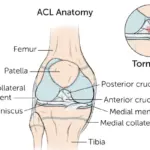
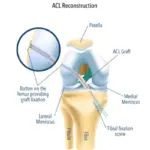
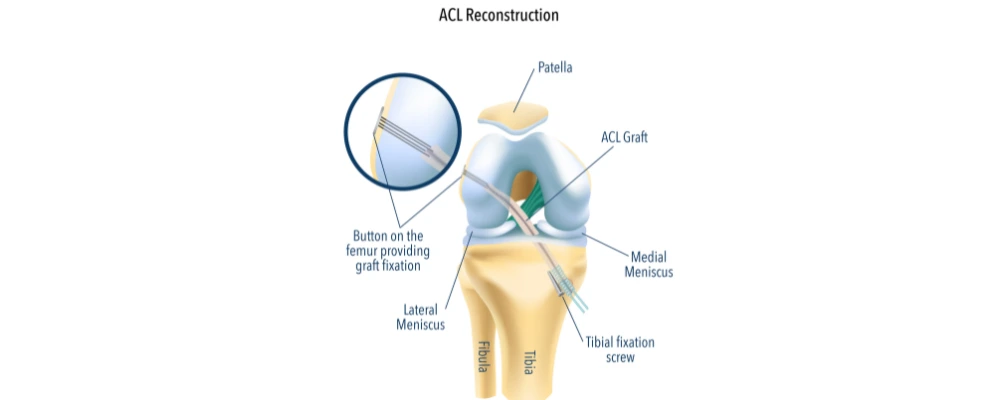
The anterior cruciate ligament (ACL) is one of the key stabilizing ligaments of the knee, and it is commonly injured during sports, sudden twisting movements, or accidents. When the ligament tears completely, surgery is often recommended to restore knee stability, especially for people with active lifestyles or physically demanding jobs. ACL reconstruction surgery involves replacing the torn ligament with a graft, usually taken from the patient’s own hamstring or patellar tendon, and is performed arthroscopically through small incisions. This minimally invasive approach reduces surgical trauma and supports a faster, smoother ACL tear recovery.
Why Recovery Differs Between Office and Physical Jobs
Not every job places the same demand on your knee. An office role that mostly involves sitting and short walks puts far less strain on a healing ACL graft than a job that requires lifting, climbing, squatting, or standing for long hours. Because of this, the timeline for return to work after ACL surgery is never one-size-fits-all. Office work after ACL surgery typically resumes much sooner than physical job after ACL surgery, since desk-based tasks don’t challenge the graft’s strength or the knee’s ability to bear repetitive load. Understanding this difference is essential before you plan your return date with your employer.
Typical ACL Recovery Timeline
Every patient heals differently, but a general ACL recovery timeline helps set realistic expectations for both office and physical job holders.
Week 1–2: Immediate Recovery
- Pain and swelling management with rest, ice, compression, and elevation
- Walking with crutches and a knee brace
- Gentle range-of-motion exercises begin under supervision
- Wound care and follow-up visits to monitor healing
Week 3–6: Early Rehabilitation
- Gradual weaning off crutches as strength improves
- Structured ACL physiotherapy to restore knee bend and control swelling
- Light, supervised strengthening for the thigh and hip muscles
- Most patients can manage short periods of seated desk work with breaks
Week 7–12: Strength and Mobility Phase
- Progressive knee strengthening exercises with resistance bands and machines
- Balance and proprioception training to rebuild knee stability after ACL surgery
- Stationary cycling and controlled walking programs
- Many office-based patients are fully back at their desks by this stage
Month 3–6: Advanced Rehabilitation
- Sport-specific and job-specific movement retraining
- Agility drills, controlled jogging, and functional strength testing
- Gradual reintroduction of squatting, lifting, and climbing for physical job roles
- Clearance assessments before returning to demanding physical activity
When Can You Return to Office Work?
Office work after ACL surgery can often resume within 2 to 4 weeks, provided the commute is manageable and the workstation allows the leg to stay elevated or supported. Patients using crutches can typically work from home or a nearby office with accommodations during this period. By the 6-week mark, most office-based patients are commuting and working full days comfortably, though standing for long stretches may still need to be limited until the knee regains full strength.
When Can You Return to Physically Demanding Jobs?
A physical job after ACL surgery, such as construction, warehouse work, delivery, policing, or manual labour, generally requires 5 to 9 months of recovery before a safe, full-duty return. This is because these roles demand the ACL graft to withstand repeated loading, twisting, and impact, which needs time to mature and strengthen. Dr. Vijaykumar D conducts functional assessments, including strength testing and hop tests, before clearing patients for physically demanding duties in Bangalore, ensuring the knee can truly handle the job’s demands.
Factors That Affect Return-to-Work Timeline
Several individual factors influence how quickly you can safely return to work:
- Type of graft used during ACL reconstruction surgery
- Overall health, age, and pre-existing joint conditions
- Consistency and quality of ACL rehabilitation
- Physical demands and flexibility of the specific job role
- Presence of any associated injuries, such as meniscus tears
- Commitment to prescribed home exercises and physiotherapy sessions
Importance of Physiotherapy After ACL Surgery
Structured ACL physiotherapy is arguably the single biggest factor in a successful, timely return to work. Skipping or rushing rehabilitation increases the risk of re-injury, stiffness, and long-term instability. A well-guided post ACL surgery rehabilitation program restores muscle strength, balance, and confidence in the knee, all of which are essential before returning to any job, especially physically demanding ones. Dr. Vijaykumar D works closely with physiotherapists in Bangalore to design individualized recovery plans based on international ACL rehabilitation protocols.
Tips for a Safe Return to Work
- Follow your rehabilitation plan consistently, even after symptoms improve
- Discuss modified duties or a phased return with your employer
- Use a knee brace as recommended during the transition period
- Avoid rushing back to full activity before functional clearance
- Keep your surgeon updated on any pain, swelling, or instability
- Prioritize sleep, hydration, and nutrition to support tissue healing
Exercises That Support ACL Recovery
A structured set of knee strengthening exercises supports steady progress at every stage:
- Quadriceps sets and straight leg raises
- Mini squats and step-ups with control
- Stationary cycling for low-impact conditioning
- Balance board training for proprioception
- Hamstring curls and hip strengthening drills
Activities to Avoid During Recovery
- Pivoting, twisting, or sudden direction changes
- Running or jumping before medical clearance
- Heavy lifting or squatting without supervision
- Prolonged standing without breaks in the early weeks
- Skipping physiotherapy sessions or home exercises
Warning Signs That Need Medical Attention
Contact your surgeon promptly if you notice:
- Increasing knee pain after ACL surgery rather than gradual improvement
- Sudden swelling, redness, or warmth around the knee
- A feeling of the knee giving way or locking
- Fever or discharge from the surgical site
Can You Return to Sports After ACL Surgery?
Yes, most patients can safely achieve return to sports after ACL surgery, typically between 6 to 9 months, once strength, agility, and confidence in the knee have been objectively tested and confirmed. Dr. Vijaykumar D, a dedicated sports orthopedic specialist, uses functional testing and sport-specific drills before clearing athletes and active patients in Bangalore to resume competitive or recreational sport.
Long-Term Knee Care After ACL Reconstruction
Recovery doesn’t end once you’re back at work. Long-term knee health depends on maintaining strength, using a ACL brace during high-demand activities if advised, warming up properly before sport, and attending periodic reviews with your surgeon. Continued attention to knee stability helps prevent re-injury and supports lasting joint health for years to come.
Why Choose Dr. Vijaykumar D for ACL Surgery in Bangalore
Dr. Vijaykumar D brings extensive experience in arthroscopic ACL reconstruction surgery, sports knee injury management, and structured return-to-work rehabilitation for patients across Bangalore. Combining evidence-based, internationally recognized rehabilitation protocols with personalized recovery planning, Dr. Vijaykumar D ensures every patient, whether returning to an office desk or a physically demanding role, receives a clear, safe, and realistic pathway back to work and back to life.
Conclusion
Recovering from ACL surgery is a journey that looks different for every patient, but with the right surgical care and rehabilitation, a safe return to work is always the goal. Whether you need to get back to your desk in a few weeks or ease back into a physically demanding job over several months, working with the Best ACL Surgeon in Bangalore ensures your recovery is guided by expertise and evidence, not guesswork. Dr. Vijaykumar D is here to help patients across Bangalore recover fully and return to work with confidence.
Frequently Asked Questions
Most patients with desk-based jobs can return to office work after ACL surgery in 2 to 4 weeks, while those with physically demanding jobs typically require 5 to 9 months, depending on knee strength, stability, and rehabilitation progress.
Many patients return to office work within 2 to 4 weeks after ACL surgery, especially if they can comfortably use crutches or a brace and have a workstation that allows the leg to rest. A phased return with regular breaks is often recommended.
Returning to a physically demanding job usually takes 5 to 9 months because activities such as lifting, climbing, prolonged standing, and manual work place greater stress on the healing ACL graft.
Yes. Most patients regain normal, unassisted walking within 4 to 6 weeks. Walking improves gradually as swelling decreases and muscle strength returns through rehabilitation.
Physiotherapy is essential after ACL surgery to restore knee strength, flexibility, balance, and stability. Following a structured rehabilitation program helps reduce the risk of stiffness, weakness, and re-injury.
Most patients can resume driving about 4 to 6 weeks after surgery once they have regained sufficient knee control, reaction time, and strength, and their surgeon confirms it is safe.
Yes. Most patients can return to sports between 6 and 9 months after ACL surgery, provided strength tests and functional assessments show the knee is ready for sport-specific activities.
The cost of ACL surgery in Bangalore depends on factors such as the hospital, graft type, implants used, and the complexity of the procedure. A consultation provides the most accurate estimate for your individual case.
Common symptoms include a popping sensation during injury, immediate swelling, knee instability, difficulty bearing weight, and pain during twisting or pivoting movements.
Choose a surgeon with expertise in sports orthopedics, arthroscopic ACL reconstruction, and structured rehabilitation. Dr. Vijaykumar D provides comprehensive ACL care from diagnosis to recovery.
Patients looking for an ACL surgeon in Bangalore can consult Dr. Vijaykumar D for expert evaluation, arthroscopic ACL reconstruction, and personalized rehabilitation guidance.