What Is ACL Reconstruction?
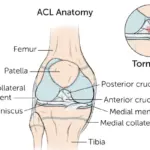
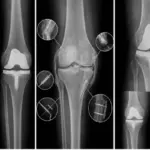
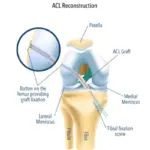
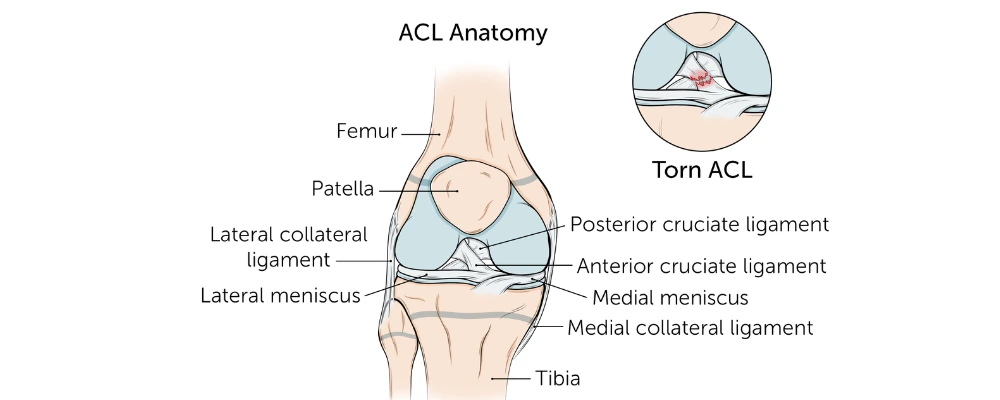
Key takeaway: ACL reconstruction is arthroscopic surgery that replaces a torn ACL with a tendon graft, restoring knee stability so patients can return to sports and daily activity. ACL reconstruction is a surgical procedure in which the torn ligament is removed and replaced with a graft — a tendon taken from elsewhere in the body (or occasionally a donor tendon) — that is fixed into tunnels drilled in the thigh bone (femur) and shin bone (tibia). Over several months, this graft integrates with the surrounding bone and gradually takes over the mechanical role of the original ACL. Modern arthroscopic ACL surgery is performed through small incisions using a camera and specialized instruments, which generally means less soft tissue disruption, a shorter hospital stay, and a more predictable rehabilitation course compared to older open techniques.Why Graft Selection Matters
Key takeaway: Graft choice affects donor-site pain, knee strength, stability, and how quickly an athlete can safely return to their sport. The graft is not just a placeholder — it is the structure your knee will rely on for stability during running, cutting, jumping, and pivoting movements. Each graft type is harvested from a different location in the body, which means each carries a distinct set of trade-offs:- Strength and stiffness of the graft tissue
- Donor-site discomfort (where the tendon was taken from)
- Speed of biological healing and incorporation into bone
- Anterior knee pain or kneeling discomfort afterward
- Suitability for high-demand pivoting sports versus general fitness
Types of ACL Grafts
There are two commonly used autograft (from the patient’s own body) options in ACL surgery options today: the hamstring tendon graft and the patellar tendon graft. Both have decades of clinical use and strong track records when performed correctly.Hamstring Tendon Graft
Procedure: Two of the hamstring tendons at the back of the thigh (semitendinosus and gracilis) are harvested through a small incision, folded to create a multi-strand graft, and fixed into the femoral and tibial tunnels using screws, buttons, or other fixation devices. Advantages:- Smaller incision and generally less immediate post-operative pain at the harvest site
- Lower reported rates of anterior knee pain and kneeling discomfort
- Good cosmetic outcome due to the smaller scar
- Preserves the extensor mechanism (quadriceps-patella-tibia chain), which some patients prefer
- Graft fixation to bone can take slightly longer to mature in some cases, which may influence rehabilitation pacing
- Some studies suggest a marginally higher re-tear rate in very young, high-pivoting athletes compared to patellar tendon grafts, though results vary across studies and surgical technique matters greatly
- Mild hamstring strength deficit is possible during early recovery
Patellar Tendon Graft
Procedure: Also known as a bone-patellar tendon-bone (BPTB) graft, a strip of the patellar tendon is harvested along with small bone plugs from the kneecap and shin bone. This bone-to-bone healing at both ends is a distinct biological advantage of this graft type. Advantages:- Bone-to-bone healing tends to be faster and very reliable, historically considered a strong option for high-demand pivoting athletes
- Long-term data supports durability in competitive sports involving cutting and pivoting
- Lower re-tear rates reported in some studies for young, high-level pivoting athletes
- Higher rates of anterior knee pain and discomfort when kneeling
- Larger incision with a more visible scar
- Slightly longer initial recovery of quadriceps strength in some patients
- Occasional patellar tendon tightness or discomfort during the first few months
ACL Reconstruction Surgeon Bangalore: Hamstring vs Patellar Graft Comparison
Key takeaway: Hamstring grafts generally offer less anterior knee pain and a smaller scar, while patellar tendon grafts offer faster bone-to-bone healing and are traditionally favored for elite pivoting athletes. Both are effective, evidence-based options.| Factor | Hamstring Graft | Patellar Tendon Graft |
| Pain | Generally less donor-site pain | More anterior knee pain in early recovery |
| Stability | Very good stability with modern fixation | Excellent, well-documented long-term stability |
| Recovery | Slightly gentler early recovery | Faster tendon-to-bone healing at fixation sites |
| Return to Sports | Comparable timeline with proper rehab | Comparable timeline, often favored for elite sport |
| Failure Rate | Slightly higher in some studies for young, high-pivoting athletes | Slightly lower in some studies for young, high-pivoting athletes |
| Strength | Mild hamstring strength deficit initially | Mild quadriceps strength deficit initially |
| Knee Pain | Less kneeling discomfort | More kneeling/anterior knee discomfort |
| Hospital Stay | Typically short (day care to 1 day) | Typically short (day care to 1 day) |
| Cosmetic Outcome | Smaller, less visible scar | Larger, more visible scar |
Who Needs ACL Surgery?
Not every ACL tear requires surgery, but reconstruction is generally recommended for:- Athletes and active individuals who want to return to pivoting, cutting, or jumping sports
- Patients with ongoing knee instability or a sensation of the knee “giving way” during daily activities
- Individuals with combined injuries, such as meniscus tears alongside the ACL tear
- Younger patients with high physical activity demands, where untreated instability raises the risk of further cartilage or meniscus damage over time
Recovery Timeline
Key takeaway: ACL recovery is a gradual, phase-based process typically spanning 9 to 12 months before return to competitive pivoting sports, guided by physiotherapy milestones rather than the calendar alone.| Recovery Phase | Timeline | Goals | Physiotherapy | Sports Activity |
| Phase 1: Early Recovery | Weeks 0–2 | Reduce swelling, protect graft, regain knee extension | Gentle range-of-motion, swelling control | None; walking with support as advised |
| Phase 2: Strength Building | Weeks 3–6 | Restore walking pattern, begin muscle activation | Quadriceps/hamstring strengthening, balance work | Light stationary cycling (if approved) |
| Phase 3: Progressive Loading | Months 2–4 | Build strength and control | Closed-chain exercises, proprioception training | Jogging may begin if criteria met |
| Phase 4: Sport-Specific Training | Months 4–8 | Regain agility, running mechanics | Running progression, agility drills, sport-specific movement | Non-contact drills, controlled running |
| Phase 5: Return to Play | Months 9–12 | Full confidence and strength symmetry | Return-to-play testing, sport-specific conditioning | Full return to pivoting sports if cleared |
Return to Sports
Key takeaway: Return-to-sport timing depends on strength, stability, and confidence — not simply the number of weeks since surgery — and should follow a structured return-to-play protocol.- Running: Straight-line jogging is often introduced around 3–4 months, progressing to full-speed running only once strength benchmarks are met.
- Cricket: Batting and light fielding movements typically resume before bowling or fast running between wickets, given the twisting demands involved.
- Football: As a high-pivoting, contact sport, football usually requires the longest and most structured return-to-play protocol, often 9–12 months.
- Basketball: Similar to football, jumping and pivoting demands mean athletes need full strength and agility clearance before returning.
- Gym: Structured, supervised strength training can often resume earlier than sport, once cleared by the surgeon and physiotherapist.
- Marathon/distance running: Straight-line, low-pivot activity generally allows a somewhat earlier and more gradual return compared to cutting sports, guided by physiotherapy progress.
Physiotherapy After ACL Surgery
ACL physiotherapy is not optional — it is the single most important factor determining the success of your surgery. A structured program typically includes:- Early swelling and pain management
- Restoring full knee extension and flexion
- Progressive quadriceps and hamstring strengthening
- Balance and proprioception (joint position sense) training
- Sport-specific agility and landing mechanics before return to play
Common Mistakes During Recovery
- Returning to running or sport based on time elapsed rather than actual strength and stability testing
- Skipping physiotherapy sessions once pain subsides
- Neglecting hip and core strengthening, which support overall knee mechanics
- Ignoring persistent swelling or instability instead of reporting it to the surgeon
- Progressing to cutting and pivoting drills before adequate quadriceps and hamstring strength is restored
How to Prevent Re-Injury
- Complete the full rehabilitation program, including late-stage agility and landing training
- Undergo strength and functional testing before returning to competitive sport
- Continue knee strengthening exercises and neuromuscular training even after returning to sport
- Use proper landing and cutting technique, especially in football, basketball, and cricket fielding
- Maintain long-term follow-up with your orthopaedic surgeon, particularly during the first year back in sport
Why Choose Dr. Vijaykumar D
Dr. Vijaykumar D is a sports orthopaedic surgeon in Bangalore with a focused practice in arthroscopy, ACL reconstruction, and joint preservation. Patients considering ACL Surgery in Bangalore can expect:- Dedicated sports orthopaedic and arthroscopy expertise, with graft selection tailored to the individual’s sport and activity level
- Arthroscopic (keyhole) ACL surgery techniques aimed at minimizing tissue disruption
- Personalized rehabilitation planning in coordination with physiotherapy
- An athlete-focused approach that considers return-to-play timelines specific to the patient’s sport
- Long-term follow-up to monitor knee stability and strength through recovery and beyond
Conclusion
Choosing between a hamstring tendon graft and a patellar tendon graft is a decision that should be made jointly with your surgeon, based on your sport, age, activity goals, and knee anatomy — not a generic online recommendation. Both graft types are well-established, evidence-based options with distinct trade-offs in pain, recovery pattern, and long-term durability. If you are exploring ACL surgery options or searching for an ACL Reconstruction Surgeon Bangalore, a detailed clinical evaluation is the right first step toward safely returning to the sport and activity level you enjoy.Book Your ACL Consultation
If you’re dealing with knee instability, a suspected ACL tear, or want a second opinion on graft choice, don’t wait for the injury to affect your mobility further. Book a consultation with Dr. Vijaykumar D, an experienced ACL Reconstruction Surgeon Bangalore, to discuss your ACL graft choice Bangalore and get a personalized treatment plan. Whether you’re an athlete, a weekend sports enthusiast, or simply want to move without knee instability, Best ACL Surgeon in Bangalore consultations start with a thorough evaluation and honest, individualized advice. Schedule your ACL Surgery in Bangalore appointment today and take the first step toward a stable, sport-ready knee.Frequently Asked Questions:
1. How much does ACL surgery cost in Bangalore?
ACL surgery cost varies based on graft type, hospital, implants used, and length of stay. Exact costs are provided during in-person consultation depending on individual case complexity.
2. How long is the hospital stay for ACL reconstruction?
Most patients undergoing arthroscopic ACL reconstruction have a short hospital stay, ranging from day-care to one or two nights depending on overall health.
3. When can I go back to work after ACL surgery?
Desk-based work is possible within 1–2 weeks with crutches, while physically demanding jobs may require several months. Your surgeon advises based on your job's physical demands.
4. Which graft is recommended for young athletes?
Both grafts are successful in young athletes. Patellar tendon grafts are preferred for high-level pivoting sports, while hamstring grafts suit others. Decision is individualized.
5. Does ACL surgery involve open surgery or keyhole surgery?
Modern ACL surgery is typically arthroscopic (keyhole) using small incisions and a camera, reducing tissue disruption compared to older open surgical techniques.
6. Can I go to the gym after ACL surgery?
Yes, under supervised progression. Light gym-based strengthening resumes earlier than sport-specific training once cleared by your surgeon and physiotherapist.
7. Is running safe after ACL reconstruction?
Running is safe once strength and stability criteria are met, typically starting straight-line jogging at 3–4 months and progressing gradually under physiotherapy supervision.
8. Can I play cricket again after ACL surgery?
Yes. Most patients return to cricket, with batting and fielding resuming before high-speed running or bowling, following a structured return-to-play protocol guided by rehabilitation.
9. Is football safe after ACL reconstruction?
Football can be safely resumed after full rehabilitation, typically around 9–12 months, requiring complete strength, agility, and confidence restoration.
10. Can I cycle after ACL surgery?
Light stationary cycling is introduced within the first few weeks for early rehabilitation, helping restore range of motion and gentle strengthening before outdoor cycling.
11. Is physiotherapy compulsory after ACL surgery?
Yes. Physiotherapy is essential for regaining knee motion, strength, and balance. Consistent participation ensures optimal outcomes regardless of graft type.
12. Which graft is better: hamstring vs patellar tendon graft ACL?
Neither is universally better. Hamstring grafts generally offer less pain and smaller scar, while patellar tendon grafts offer fast bone-to-bone healing. Choice depends on the patient.
13. What is the risk of ACL re-tear?
Re-tear risk exists with any graft, particularly if returning to sport before full strength and stability is restored. Complete rehab and gradual return-to-play protocol minimize risk.
14. Why does my knee still hurt months after ACL surgery?
Mild residual discomfort, especially with kneeling or activity, can occur during recovery, more common with patellar tendon grafts. Persistent pain should be evaluated by your surgeon.
15. How do I choose the right ACL surgeon in Bangalore?
Choose a surgeon with sports orthopaedic and arthroscopy experience, clear graft explanation, and structured rehab plan. Consulting an experienced ACL Reconstruction Surgeon Bangalore ensures personalized care.