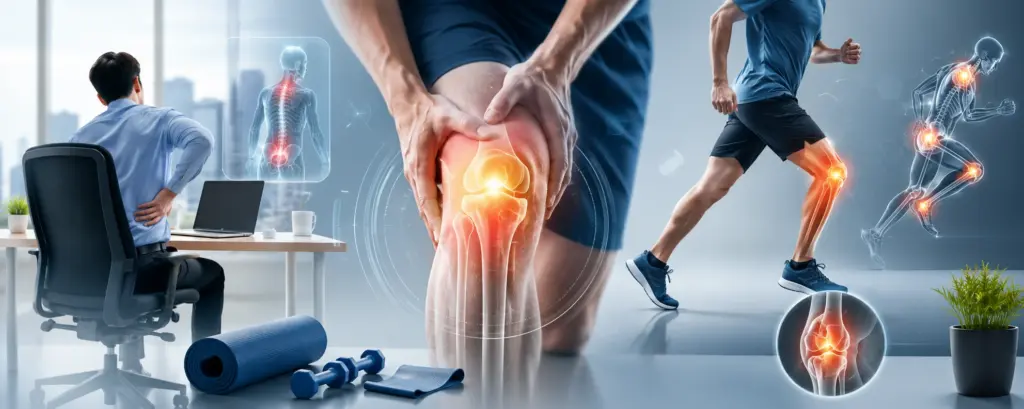
If you spend eight to ten hours a day at a desk in Bangalore’s IT parks, hospitals, startups, or corporate offices, chances are you’ve felt it — a stiff neck after a long meeting, a dull ache in your lower back by evening, or a tingling sensation running down your wrist after hours of typing. These aren’t random discomforts. They are early warning signs of work-related musculoskeletal disorders, and they are becoming increasingly common among the city’s working population.
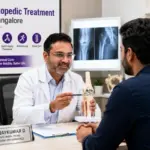
As an Orthopedic Specialist in Bangalore, Dr. Vijaykumar D sees a growing number of young and middle-aged professionals presenting with neck pain, back pain, shoulder stiffness, knee discomfort, and repetitive strain injuries — problems that were once associated mainly with aging or heavy manual labour. This shift reflects how sedentary lifestyles, poor posture, and long screen hours are reshaping the orthopedic health of Bangalore’s workforce.
This guide walks you through why these problems are on the rise, the most common conditions professionals face, how they are diagnosed and treated, and — most importantly — practical, everyday ways to prevent them before they affect your quality of life.
Why Orthopedic Problems Are Increasing Among Bangalore Professionals
Bangalore’s identity as India’s technology and innovation hub comes with a trade-off: long, sedentary work hours. Many professionals in the city spend the majority of their waking hours seated in front of a screen, often in workstations that aren’t ergonomically designed for extended use.
Several factors are driving this trend:
- Extended sitting hours with minimal movement breaks
- Poorly designed ergonomic workstation setups at home and office
- Increased reliance on laptops without external keyboards or monitor stands
- Long commutes that add to overall sedentary time
- Reduced participation in regular physical activity or sports
- Higher stress levels contributing to muscle tension
- Weekend-only, high-intensity workouts without proper conditioning, leading to sports injuries
Over time, these factors contribute to poor posture, muscular imbalance, joint stiffness, and repetitive strain injury, which can progress into chronic musculoskeletal disorders if left unaddressed.
Most Common Orthopedic Problems
Neck Pain
Often called “tech neck,” this results from prolonged forward head posture while looking at laptops or phones. It commonly presents with stiffness, restricted movement, and headaches that start at the base of the skull.
Lower Back Pain
Back pain treatment Bangalore searches have risen sharply, reflecting how common this complaint has become. Prolonged sitting weakens the core and puts uneven pressure on the lower spine, leading to lower back pain, muscle spasms, and in some cases, disc-related issues.
Shoulder Pain
Rounded shoulders from hunching over a keyboard, combined with limited stretching, can cause shoulder pain, stiffness, and reduced range of motion — sometimes progressing to frozen shoulder if untreated.
Knee Pain
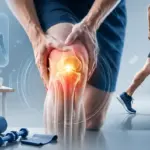
Knee pain treatment Bangalore is frequently sought by professionals who combine long sitting hours with sudden weekend sports activity, or who are managing early arthritis and joint stiffness due to inactivity and weight gain.
Wrist and Hand Disorders
Continuous typing and mouse use without proper wrist support can lead to wrist pain and carpal tunnel syndrome, causing numbness, tingling, or weakness in the hand.
Sports and Fitness Injuries
Weekend cricket, badminton, running, or gym sessions without adequate warm-up or conditioning are a leading cause of ligament sprains, muscle strains, and other sports injuries among working professionals.
Causes of Orthopedic Problems in Working Professionals
- Sustained poor posture during desk work
- Sitting for long hours without breaks
- Inadequate chair, desk, or monitor positioning
- Repetitive movements (typing, mousing, phone use)
- Lack of core and back-strengthening exercises
- Sudden, unconditioned physical activity on weekends
- Stress-related muscle tension
- Carrying heavy laptop bags on one shoulder
Warning Signs You Should Not Ignore
- Pain lasting longer than two weeks
- Pain that worsens with movement or at night
- Numbness, tingling, or weakness in the arms or legs
- Swelling or visible deformity in a joint
- Reduced range of motion
- Pain that disrupts sleep or daily activities
- Recurrent episodes of the same discomfort
If you notice any of these symptoms, it’s advisable to consult an Orthopedic Specialist in Bangalore rather than relying on temporary pain relief measures.
How Orthopedic Specialists Diagnose These Problems
A thorough evaluation typically includes:
- Clinical history and physical examination — understanding your work habits, posture, and pain pattern
- Range of motion and strength testing — identifying muscular imbalances
- Imaging tests — X-rays, MRI, or ultrasound to assess bones, discs, and soft tissue
- Nerve conduction studies — when conditions like carpal tunnel syndrome are suspected
This structured, evidence-based approach, aligned with international orthopedic guidelines, ensures the diagnosis is accurate before starting treatment.
Treatment Options
Lifestyle Modifications
Posture correction, ergonomic changes, and activity adjustments form the foundation of recovery.
Physiotherapy
Targeted exercises restore strength, flexibility, and correct movement patterns.
Medications
Anti-inflammatory or pain-relief medications may be used short-term to manage acute symptoms.
Injections
Corticosteroid or other therapeutic injections can help in select cases of persistent inflammation.
Minimally Invasive Procedures
Techniques such as arthroscopy allow diagnosis and treatment of joint issues with minimal recovery time.
Surgery (When Necessary)
Reserved for structural problems like severe disc herniation, ligament tears, or advanced joint damage that doesn’t respond to conservative orthopedic care.
10 Practical Tips to Prevent Orthopedic Problems at Work
- Set up your desk with proper ergonomic workstation principles
- Take a movement break every 30–45 minutes
- Keep your monitor at eye level to avoid neck strain
- Sit with your back fully supported and feet flat on the floor
- Use a wrist rest to reduce strain from typing
- Stretch your neck, shoulders, and back daily
- Strengthen your core to support your spine
- Avoid carrying heavy bags on one shoulder
- Warm up properly before any sports or workout session
- Stay hydrated and maintain a healthy body weight
Workplace Ergonomics Checklist
- Chair height allows feet flat on floor, knees at 90 degrees
- Monitor top aligned with eye level, arm’s length away
- Keyboard and mouse positioned to keep elbows close to the body
- Lumbar support cushion for lower back
- Feet supported (footrest if needed)
- Regular breaks scheduled every 30–45 minutes
- Adequate lighting to avoid leaning forward
Exercises Professionals Can Do at Their Desk
- Neck rolls — slow, controlled rotations to ease stiffness
- Shoulder shrugs and blade squeezes — release upper back tension
- Seated spinal twists — improve back mobility
- Wrist and finger stretches — reduce strain from typing
- Seated leg extensions — activate knee and thigh muscles
- Ankle circles — improve lower limb circulation during long sitting hours
When Should You Visit an Orthopedic Specialist?
You should seek professional evaluation if you experience persistent pain beyond two weeks, recurring discomfort, numbness or tingling, reduced mobility, or pain that interferes with work and sleep. Early consultation with an Orthopedic Specialist in Bangalore often means simpler, non-surgical treatment and faster recovery.
Why Choose Dr. Vijaykumar D for Orthopedic Care in Bangalore
Dr. Vijaykumar D is an experienced Bone and Joint Specialist Bangalore professionals trust for both routine musculoskeletal concerns and complex sports-related injuries. As a dedicated Orthopedic Specialist in Bangalore, Dr. Vijaykumar D combines evidence-based diagnostics with personalized treatment planning, ensuring every patient — from IT professionals to competitive athletes — receives care tailored to their lifestyle and recovery goals.
With focused expertise in Knee Pain Treatment Bangalore, Shoulder Pain Specialist Bangalore consultations, and Back Pain Treatment Bangalore protocols, alongside dedicated Sports Injury Doctor Bangalore services, Dr. Vijaykumar D offers comprehensive rehabilitation support that goes beyond symptom relief to address the root cause of orthopedic issues.
Conclusion
Orthopedic problems among Bangalore’s working professionals are largely preventable. Simple changes — a well-set-up workstation, regular movement, better posture, and timely medical attention — can make a significant difference in long-term bone and joint health. If pain persists or begins affecting your daily routine, don’t wait it out. Consulting an experienced Orthopedic Specialist in Bangalore early can help you recover faster and prevent minor discomfort from becoming a chronic condition.
Frequently Asked Questions:
You should consult an Orthopedic Specialist in Bangalore if pain persists beyond two weeks, worsens with activity, disrupts sleep, or is accompanied by numbness or swelling. Early consultation helps prevent minor issues from developing into chronic musculoskeletal disorders.
Yes. Prolonged sitting reduces joint mobility and weakens supporting muscles, which can contribute to knee pain and shoulder pain over time. Combined with poor posture, this often leads professionals to seek Knee Pain Treatment Bangalore and Shoulder Pain Specialist Bangalore care.
No. Most work-related orthopedic conditions are managed successfully with physiotherapy, lifestyle changes, medications, and injections where appropriate. Surgery is considered only for severe or structurally significant conditions that do not respond to conservative treatment.
Maintain an ergonomic workstation, take regular movement breaks, practice good posture, and strengthen your core and back muscles. These habits significantly reduce the risk of workplace-related orthopedic problems.
Sitting for extended periods weakens your core muscles and increases pressure on the lower spine, leading to stiffness, muscle fatigue, and persistent back pain.
If knee pain persists or worsens, consult an experienced orthopedic specialist for a detailed evaluation. The cause may range from overuse and sports injuries to arthritis or ligament damage.
Yes. Most office-related shoulder pain improves with posture correction, physiotherapy, stretching exercises, and activity modification without requiring surgery.
If pain lasts more than two weeks, limits daily activities, causes numbness, weakness, swelling, or does not improve with rest and medication, consult an orthopedic specialist for proper diagnosis and treatment.
Book Appointment Today
Don’t let work-related pain control your life. Whether it’s persistent neck stiffness, lower back pain, knee pain, or a nagging sports injury, timely care makes all the difference. Dr. Vijaykumar D, a trusted Orthopedic Specialist in Bangalore and Bone and Joint Specialist Bangalore, offers personalized diagnosis and treatment for professionals across the city.
📅 Book your consultation today for expert Knee Pain Treatment Bangalore, Shoulder Pain Specialist Bangalore care, Back Pain Treatment Bangalore, or Sports Injury Doctor Bangalore services. Visit the clinic in Bangalore and take the first step toward pain-free movement and long-term bone and joint health.
Schedule your appointment with Dr. Vijaykumar D now — because early treatment leads to faster, better recovery.
Trustindex verifies that the original source of the review is Google. Dr Vijay Kumar D is a great doctor. He takes time with patient to help them with their health issues and very humble to speak. I have observed the same during my every visit. It is rare to find Doctor that combine and thank you so much Vijay sirPosted onTrustindex verifies that the original source of the review is Google. क्या सर अभी एम्स में देखते हैं या सर को देखना है तो कैसे संपर्क किया जाए कृपया जल्दी बताए बहुत जरूरी है किसी को भी पता हो तो जरूर बताएPosted onTrustindex verifies that the original source of the review is Google. Good morning sir gPosted onTrustindex verifies that the original source of the review is Google. Dr. Vijay is an excellent doctor with a kind demeanor, a down-to-earth attitude, and a highly cooperative approach toward his patients.Posted onTrustindex verifies that the original source of the review is Google. Left ankle diagnostic arthroscopic loose chondral flap removal ,microfracher done by Dr. Vijay D , thank you so much,Posted onTrustindex verifies that the original source of the review is Google. My name is Chandan Sharma. I had ACL tear a year ago. Then AIIMS Orthopedic Surgeon Dr. Vijay Kumar Digge did my surgery. I am absolutely fine. I thank the Dr. and his surgeon team.Posted onTrustindex verifies that the original source of the review is Google. मैं जिला भिवानी हरियाणा से संगीता रहेजा हूं। मेरे दाएं पैर के टखने में कई सालों से दर्द और सूजन थी।कई बार तो चलना भी मुश्किल हो जाता। मैंने एम्स दिल्ली में दिखाया। वहां डॉक्टर विजय डी जी ने 27 नवंबर, 2024 को मेरे दाएं पैर के टखने का आपरेशन किया। यह आपरेशन बहुत सफल रहा।अब मैं वाकर और वाकरबूट के साथ चल सकती हूं और मुझे दर्द से राहत मिली। मैं डॉक्टर विजय डी जी का धन्यवाद करती हूं। मैं राम जी से प्रार्थना करती हूं कि वे इन्हें दीर्घायु करें ताकि ये ऐसे ही समाज सेवा करते रहें।Posted onTrustindex verifies that the original source of the review is Google. Dr. Vijay Kumar D is a very professional doctor. He has done excellent job. He has operated my mother's ankle surgery. We have an amazing experience. Patient Name - Mrs. Meenakshi Gulati.