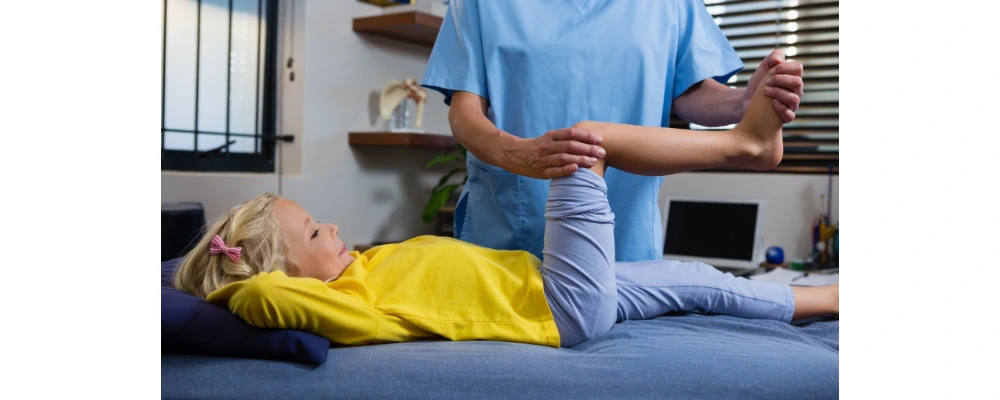
What Does a Paediatric Orthopaedic Doctor Treat?
A Pediatric orthopedic surgeon Bangalore parents rely on manages the full range of musculoskeletal issues that affect infants, toddlers, and growing children. This includes:- Bone disorders such as bowing, abnormal curvature, or brittle bone conditions
- Joint disorders including hip dysplasia, joint stiffness, and swelling
- Muscle and soft tissue conditions affecting movement and posture
- Birth defects of the limbs, spine, or feet, such as clubfoot
- Fractures from falls, sports, or accidents
- Sports injuries in school-going and athletic children
- Growth abnormalities, including limb length differences and growth plate damage
Why Early Orthopaedic Care Matters in Children
Children’s bones contain growth plates—soft areas of developing cartilage near the ends of long bones—that regulate how a bone lengthens and shapes itself over time. Unlike adult bone, growth plates are more vulnerable to injury and can be affected by infection, poor alignment, or repeated stress. When a problem affecting bone growth goes unnoticed, it can lead to permanent effects, such as:- Uneven limb length
- Long-term joint pain or arthritis in adulthood
- Deformity that becomes harder to correct with age
- Reduced mobility or delayed physical development
10 Signs Your Child Should See the Paediatric Orthopaedic
1. Persistent Bone or Joint Pain
Occasional “growing pains” at night are common and usually harmless. However, pain that persists during the day, worsens over time, or is localized to one specific joint or bone may signal an underlying issue such as infection, inflammation, or a stress injury. If your child avoids using a limb or complains of pain lasting more than a week, seek an evaluation. Treatment may range from rest and physiotherapy to imaging-guided diagnosis and targeted therapy.2. Limping Without Injury
A limping child with no history of a fall or accident should always be examined. Painless limping can be caused by hip disorders, leg length differences, or joint inflammation, while painful limping may point to infection or a subtle fracture. Doctors typically use physical examination and imaging to pinpoint the cause. Depending on the diagnosis, treatment ranges from observation to bracing or, in select cases, surgical correction.3. Bow Legs in Children Beyond the Normal Age
Mild bow legs in children are normal up to around age two as part of natural development. However, if bowing persists beyond age three, is asymmetrical, or worsens, it could indicate a bone growth disorder such as Blount’s disease or a vitamin D-related condition. Doctors assess leg alignment through examination and X-rays. Treatment may include bracing, nutritional correction, or corrective surgery in more advanced cases.4. Knock Knees Causing Walking Difficulty
Knock knees are common between ages three and six and often self-correct. But when knock knees cause your child to trip frequently, walk awkwardly, or experience knee pain, specialist evaluation is warranted. Severe or persistent cases may require guided growth procedures or bracing to gradually realign the legs as the child grows.5. Clubfoot Noticed at Birth
Clubfoot is a congenital condition where a newborn’s foot turns inward and downward. It is one of the most common birth-related orthopaedic conditions and is highly treatable when addressed early. Left untreated, it can cause lifelong walking difficulty and deformity. Early intervention using the Ponseti method offers excellent outcomes without the need for major surgery in most cases.6. Delayed Walking or Abnormal Walking Pattern
Most children begin walking between 12 and 18 months. A noticeable delay, toe-walking, or an unusual gait pattern can indicate muscular, neurological, or orthopaedic causes. Gait analysis and physical assessment help identify the root cause. Early physiotherapy and, when necessary, bracing can significantly improve walking patterns before they become habitual.7. Frequent Fractures
Children are naturally active, so occasional fractures from play or sports are not unusual. However, if your child experiences fractures from minor falls or low-impact activity, it may point to an underlying bone density issue or metabolic bone disorder. A specialist can run diagnostic tests to rule out conditions affecting bone strength and recommend appropriate treatment, including nutritional support and, in rare cases, medication.8. Swelling or Stiffness in Joints
Joint swelling, warmth, or stiffness—especially if it persists for more than a few days—can indicate infection, inflammatory arthritis, or injury. Children may be reluctant to move the affected joint or may hold it in a guarded position. Prompt evaluation, including blood tests and imaging, is important to rule out infection, which can require urgent treatment to protect the joint.9. Growth Plate Injuries After Sports or Falls
Growth plate injuries are unique to children and adolescents because their bones are still developing. A fall, twist, or sports collision that seems minor can sometimes injure a growth plate without an obvious fracture on first glance. Warning signs include persistent swelling, tenderness at the end of a bone, or reluctance to bear weight after an injury. Because untreated growth plate injuries can affect future bone growth, timely imaging and specialist care are essential. Treatment ranges from immobilization to, in select cases, surgical realignment.10. Unequal Leg Length or Limb Deformities
Noticeable differences in leg length, arm length, or overall limb shape can affect posture, gait, and long-term joint health. Causes range from congenital differences to growth plate injuries or infections earlier in childhood. Evaluation typically involves imaging to measure the discrepancy, followed by treatment options such as shoe modifications, bracing, or surgical limb-length correction for more significant differences.Common Children’s Bone Problems
Beyond the ten warning signs above, several children’s bone problems are frequently seen in paediatric orthopaedic practice:- Bow legs – natural in toddlers, monitored if persistent
- Knock knees – common in preschoolers, usually self-resolving
- Flat feet in children – often normal, occasionally requiring support
- Clubfoot – congenital foot deformity treated early with casting
- Hip disorders – including developmental hip dysplasia
- Fractures – from falls, sports, or accidents
- Bone infections – requiring urgent diagnosis and treatment
- Developmental dysplasia – abnormal hip joint formation detectable in infancy
Understanding Growth Plate Injuries
Growth plates are areas of cartilage located near the ends of long bones, responsible for bone lengthening as a child grows. Because cartilage is softer than mature bone, growth plates are more susceptible to injury than the surrounding bone itself, particularly during falls, sports, or repetitive stress. Symptoms often include localized swelling, tenderness, and pain that worsens with activity, sometimes without a visible deformity. Diagnosis typically involves a physical examination combined with X-rays; in less obvious cases, MRI may be used to detect subtle injuries not visible on standard imaging. Treatment depends on severity and location, ranging from splinting or casting for stable injuries to surgical realignment for more serious fractures involving the growth plate. Recovery generally takes several weeks to a few months, with follow-up imaging to confirm proper healing and continued normal growth. Long-term complications, if untreated, can include limb length differences or angular deformity, which is why prompt evaluation after any significant fall or sports injury is strongly recommended.Clubfoot Treatment
Clubfoot treatment is one of the most well-established areas of paediatric orthopaedics, with excellent outcomes when started early. What is clubfoot? A congenital condition in which a baby’s foot is turned inward and downward at birth, affecting the bones, muscles, and tendons of the foot. Causes are not always fully understood, but genetic factors and reduced space or fluid in the womb are commonly associated. Early treatment ideally begins within the first few weeks of life for the best correction and long-term function. The Ponseti Method is the internationally preferred, non-surgical approach involving gentle, weekly manipulation and casting of the foot to gradually correct its position. Bracing follows casting and is essential to maintain correction; consistent use of a foot abduction brace significantly reduces the chance of relapse. Surgery is reserved for cases that do not respond adequately to casting and bracing, typically involving a minor tendon release procedure rather than extensive surgical correction.Pediatric Fractures
Children’s bones are more flexible and have a thicker, more active outer layer than adult bones, which changes how fractures occur and heal. Why children’s fractures differ from adults: Children’s bones can bend and partially fracture (a “greenstick fracture”) rather than breaking completely, and their bones heal faster due to a more active growth process. Common fracture types in children include greenstick fractures, buckle (torus) fractures, and growth plate fractures. Healing time varies by age and location but is generally faster in younger children, often ranging from three to eight weeks. Treatment commonly involves casting or splinting; more complex or displaced fractures may require realignment under anesthesia or surgical fixation. Recovery typically includes a period of immobilization followed by gradual return to activity, sometimes supported by physiotherapy to restore full strength and movement.How Pediatric Orthopaedic Conditions Are Diagnosed
Accurate diagnosis relies on a combination of clinical and imaging tools:- Physical examination – assessing alignment, movement, strength, and gait
- X-rays – the first-line imaging tool for bone alignment and fractures
- MRI – used for detailed evaluation of soft tissue, cartilage, and growth plates
- CT scan – helpful for complex fractures or detailed bone structure
- Ultrasound – often used in infants to assess hip joint development
- Gait analysis – evaluating walking patterns to identify underlying issues
Treatment Options
Paediatric orthopaedic treatment is tailored to the child’s age, diagnosis, and severity of the condition:- Observation – for conditions expected to self-correct with growth
- Bracing – to guide bone alignment over time
- Casting – for fractures and conditions like clubfoot
- Physiotherapy – to restore strength, movement, and gait
- Minimally invasive procedures – for select growth plate and joint conditions
- Pediatric fracture care – ranging from casting to surgical fixation
- Corrective surgery – reserved for significant deformities or conditions unresponsive to conservative care
When Should Parents Visit Immediately?
Seek urgent orthopaedic care if your child has:- Severe pain after a fall, sports injury, or accident
- Visible deformity, swelling, or inability to move a limb
- Fever combined with joint pain or swelling
- Sudden inability to bear weight on a leg
- Numbness, tingling, or loss of sensation in an injured limb
- A bone injury with skin breakage
Tips to Keep Children’s Bones Healthy
- Ensure adequate calcium intake through dairy, leafy greens, and fortified foods
- Support healthy Vitamin D levels through sunlight exposure and diet
- Encourage regular, age-appropriate exercise to build bone and muscle strength
- Emphasize sports safety, including proper footwear and warm-ups
- Maintain a healthy weight to reduce stress on developing joints
- Schedule regular health checkups to catch growth or alignment issues early
Why Choose Dr. Vijaykumar D
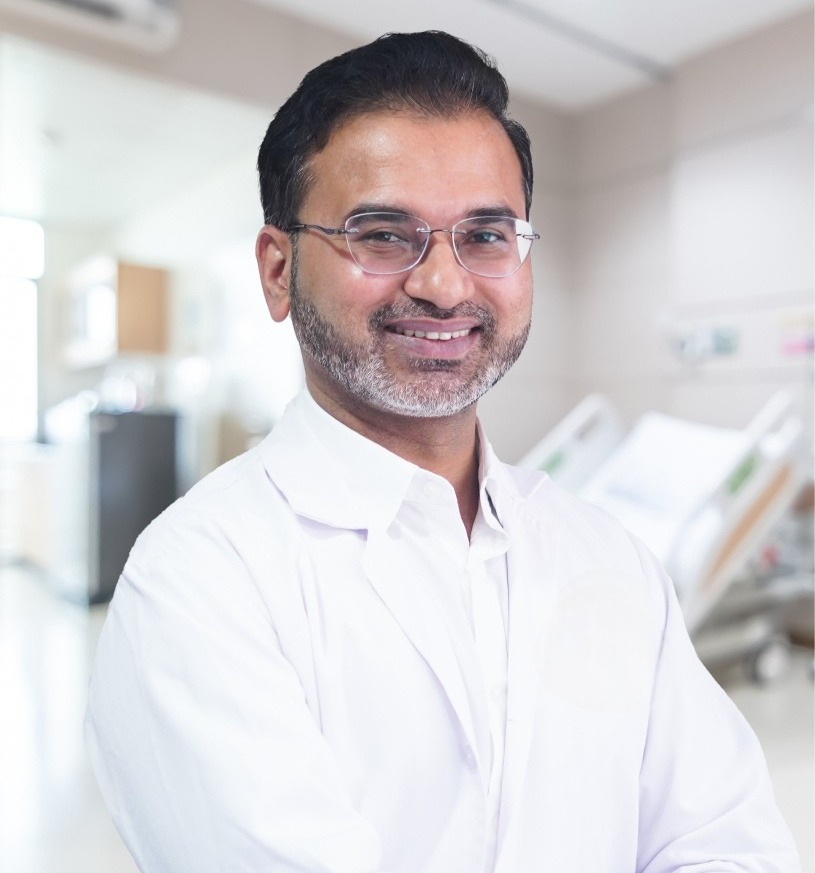
Dr. Vijaykumar D is a Paediatric Orthopaedic Specialist and Orthopaedic Surgeon based in Bangalore, focused exclusively on the musculoskeletal health of infants, children, and adolescents. With experience managing a wide spectrum of childhood bone and joint conditions—including growth abnormalities, fractures, sports injuries, clubfoot, and limb deformities—Dr. Vijaykumar D takes a personalized approach to every child’s care, recognizing that no two growing bodies are the same. Parents can expect a thorough evaluation, clear explanations of diagnosis and treatment options, and compassionate, family-centered care throughout the treatment journey. Whether your child needs a routine assessment or ongoing management of a complex condition, Dr. Vijaykumar D provides the specialized expertise growing children need.Conclusion
Children’s bones and joints grow and heal differently from adult bones, which is why unusual pain, limping, deformity, or delayed milestones deserve prompt attention rather than a “wait and see” approach. From bow legs and clubfoot to growth plate injuries and fractures, most children’s bone problems respond very well to early, appropriate treatment. If your child shows any of the ten warning signs discussed above, don’t delay—consult the Best Paediatric Orthopaedic Doctor in Bangalore for a thorough evaluation and personalized care plan that supports your child’s healthy growth for years to come.Table 1 – 10 Warning Signs and What Parents Should Do
| Sign | Possible Cause | Medical Attention Needed | Treatment |
| Persistent bone/joint pain | Infection, inflammation, stress injury | Within a week if pain continues | Rest, physiotherapy, imaging-guided care |
| Limping without injury | Hip disorder, leg length difference, infection | Promptly | Examination, imaging, bracing or surgery |
| Bow legs beyond normal age | Blount’s disease, vitamin D deficiency | If persists past age 3 | Bracing, nutrition, corrective surgery |
| Knock knees with walking issues | Growth variation, alignment issue | If frequent tripping/pain | Bracing, guided growth procedures |
| Clubfoot at birth | Congenital deformity | Immediately after birth | Ponseti casting, bracing, rare surgery |
| Delayed/abnormal walking | Muscular, neurological, orthopaedic causes | If delayed past 18 months | Physiotherapy, gait correction |
| Frequent fractures | Low bone density, metabolic disorder | After repeated minor fractures | Diagnostic tests, nutrition, medication |
| Joint swelling/stiffness | Infection, inflammatory arthritis | Within days | Blood tests, imaging, urgent treatment if infected |
| Growth plate injury after fall | Sports injury, trauma | Immediately | Immobilization, possible surgery |
| Unequal leg length/deformity | Congenital or growth-related | On noticing difference | Imaging, bracing, surgical correction |
Table 2 – Common Pediatric Bone Conditions
| Condition | Symptoms | Treatment | Recovery Time |
| Bow legs | Outward-curved legs | Observation, bracing | Often self-resolves by age 3–4 |
| Knock knees | Inward-angled knees | Observation, bracing | Usually resolves by age 7–8 |
| Flat feet | Reduced arch, mild discomfort | Supportive footwear, observation | Often lifelong but manageable |
| Clubfoot | Inward/downward-turned foot | Ponseti casting, bracing | Weeks of casting, years of bracing |
| Hip dysplasia | Hip instability, uneven leg folds | Harness, bracing, or surgery | Weeks to months |
| Fractures | Pain, swelling, deformity | Casting, splinting, surgery | 3–8 weeks typically |
| Bone infections | Fever, swelling, severe pain | Antibiotics, possible drainage | Weeks, with monitoring |
| Developmental dysplasia | Hip instability in infants | Early bracing or surgical correction | Months, with follow-up |
Frequently Asked Questions:
1. Who is the Best Paediatric Orthopaedic Doctor in Bangalore?
Dr. Vijaykumar D is a Paediatric Orthopaedic Specialist in Bangalore focused on diagnosing and treating bone, joint, and growth-related conditions in children, from infancy through adolescence, with personalized, evidence-based care.
2. How do I find a reliable child bone specialist Bangalore parents recommend?
Look for a specialist with dedicated paediatric orthopaedic training, experience treating growth-related conditions, and a clear, communicative approach. Checking credentials and patient reviews can help confirm you're choosing a qualified child bone specialist Bangalore families trust.
3. What does a Pediatric orthopedic surgeon Bangalore treat?
A Pediatric orthopedic surgeon Bangalore treats fractures, clubfoot, hip disorders, growth plate injuries, limb deformities, and sports injuries in children, using treatment approaches specifically designed for growing bones.
4. What are common children's bone problems?
Common children's bone problems include bow legs, knock knees, flat feet, clubfoot, hip dysplasia, and fractures. Most are manageable with early diagnosis, and many mild variations correct naturally as the child grows.
5. Are bow legs in children a cause for concern?
Bow legs in children are usually normal up to age two. If bowing persists beyond age three, is severe, or affects one leg more than the other, it should be evaluated to rule out an underlying growth disorder.
6. What is the best age to start clubfoot treatment?
Clubfoot treatment ideally begins within the first few weeks after birth. Starting early with the Ponseti method offers the best chance of correcting the foot's position without extensive surgery.
7. How long does clubfoot bracing continue after casting?
After initial casting, bracing usually continues for several years, starting with near-full-time wear and gradually reducing to nighttime use, to maintain the corrected foot position as the child grows.
8. What are growth plate injuries and why are they serious?
Growth plate injuries affect the cartilage responsible for bone lengthening. If untreated, they can lead to limb length differences or deformity, making prompt diagnosis and treatment important for normal future growth.
9. How can I tell if my child has a growth plate injury?
Signs of a growth plate injury include swelling, tenderness near a joint, and pain that worsens with activity after a fall or sports injury, even without an obvious deformity or visible fracture.
10. When should I consult a pediatric fracture specialist in Bangalore?
Consult a pediatric fracture specialist in Bangalore immediately if your child has severe pain, swelling, deformity, or inability to move a limb after a fall, sports injury, or accident.
11. Do all childhood fractures need a cast?
Not all fractures need casting; some minor, stable fractures may only need a splint or brace. A specialist will determine the right treatment based on the fracture's type, location, and severity.
12. Can knock knees or bow legs be corrected without surgery?
Yes, most cases of knock knees and bow legs correct naturally with growth or respond well to bracing. Surgery is only considered when the condition is severe, persistent, or causing significant walking difficulty.
13. What tests are used to diagnose children's bone problems?
Diagnosis typically involves physical examination, X-rays, and sometimes MRI, CT scans, ultrasound, or gait analysis, depending on the suspected condition and the child's age.
14. Is limping in children always serious?
Not always, but any unexplained limping should be evaluated. It can result from minor causes or more significant conditions like hip disorders or infection, so a timely orthopaedic assessment is recommended.
15. How can I book a consultation with the Best Paediatric Orthopaedic Doctor in Bangalore?
You can book a consultation by contacting the clinic directly through its website or phone line. Early evaluation with the Best Paediatric Orthopaedic Doctor in Bangalore ensures timely diagnosis and personalized treatment for your child.