
Why Early Orthopedic Evaluation Matters
Musculoskeletal problems rarely resolve on their own once they cross a certain threshold. Early diagnosis allows for:- Faster recovery with non-surgical treatment options
- Prevention of long-term joint damage
- Reduced risk of chronic pain and disability
- More effective, less invasive treatment plans
- Better long-term mobility and quality of life
10 Signs You Should See an Orthopedic Doctor
1. Persistent Joint Pain
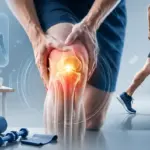
Joint pain that lasts more than a few weeks, or keeps returning, is one of the clearest signs you should see an orthopedic doctor. Short-term aches from overuse usually fade with rest, but persistent joint pain may point to arthritis, cartilage damage, or an underlying inflammatory condition that needs proper evaluation.2. Difficulty Walking or Standing
If you find yourself limping, shifting weight to avoid pain, or struggling to stand up after sitting, this indicates a mechanical or structural issue in your hips, knees, or spine. Difficulty walking shouldn’t be normalized — it’s a strong signal your musculoskeletal system needs attention.3. Limited Range of Motion
Struggling to raise your arm, bend your knee fully, or turn your neck comfortably can indicate joint stiffness, tendon damage, or early-stage arthritis. Reduced flexibility that interferes with daily tasks like dressing or reaching overhead is a sign not to ignore.4. Swelling Around a Joint
Swelling in joints — especially when it’s accompanied by warmth, redness, or pain — often indicates inflammation, fluid buildup, or injury inside the joint. This is one of the more visible orthopedic symptoms and usually warrants prompt evaluation.5. Pain After a Sports Injury
Twisted ankles, sprained knees, and shoulder injuries during sports or exercise are common, but pain that doesn’t improve within a few days may indicate ligament injuries, tendon injuries, or a fracture. A sports injury specialist in Bangalore can assess whether deeper structures have been damaged.6. Chronic Back or Neck Pain
Occasional back or neck discomfort is common, but pain that persists for weeks, radiates to the arms or legs, or is accompanied by stiffness may point to disc problems, spinal misalignment, or nerve compression. Chronic pain in this region should never be self-managed indefinitely.7. Shoulder Pain That Doesn’t Improve
Shoulder pain that limits your ability to lift, reach, or sleep on that side could indicate rotator cuff damage, frozen shoulder, or impingement. A shoulder pain specialist in Bangalore can identify the exact structure involved and recommend targeted treatment.8. Knee Pain While Climbing Stairs
Pain specifically triggered by climbing stairs, squatting, or kneeling often points to cartilage wear, patellar issues, or early osteoarthritis. This is one of the most common reasons patients search for a knee pain doctor in Bangalore, and early treatment can significantly slow disease progression.9. Frequent Bone or Joint Injuries
If you notice you’re injuring the same joint repeatedly, or your bones seem to fracture more easily than expected, this may indicate weakened bone density, muscle imbalance, or joint instability. Recurrent injuries deserve a thorough orthopedic assessment rather than repeated short-term fixes.10. Numbness, Weakness, or Joint Instability
Tingling, numbness, or a feeling that a joint might “give way” can indicate nerve involvement or ligament laxity. These orthopedic symptoms often signal that structural support around a joint has been compromised and needs professional evaluation.Common Conditions Treated by Orthopedic Specialists
Orthopedic doctors manage a wide range of musculoskeletal disorders, including:- Osteoarthritis and rheumatoid arthritis
- Fractures and bone injuries
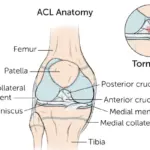
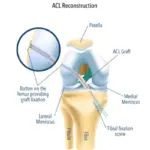
- Ligament and tendon tears (ACL, rotator cuff, etc.)
- Sports injuries
- Chronic back and neck pain
- Frozen shoulder and shoulder impingement
- Spinal disc problems
- Joint instability and dislocations
- Bone density and osteoporosis-related issues
When Should You Seek Immediate Medical Care?
Some symptoms require urgent attention rather than a scheduled consultation. Seek immediate care if you experience:- A visible bone deformity or suspected fracture
- Sudden, severe joint pain with inability to bear weight
- Joint swelling with fever
- Sudden numbness or loss of movement
- An injury following a fall or accident with intense pain
How Orthopedic Doctors Diagnose Bone and Joint Problems
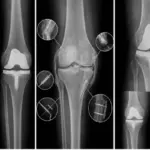
Early diagnosis begins with a detailed clinical examination, followed by targeted investigations such as X-rays, MRI, ultrasound, or bone density scans, depending on the suspected condition. Dr. Vijaykumar D combines modern diagnostic techniques with a thorough physical assessment to identify the exact cause of pain rather than simply treating symptoms.Treatment Options Available
Orthopedic treatment plans are tailored to the severity and nature of the condition, and typically include:- Physiotherapy and rehabilitation
- Medication and anti-inflammatory management
- Bracing or splinting
- Image-guided injections
- Arthroscopic (minimally invasive) procedures
- Joint replacement surgery, when necessary
Lifestyle Tips to Protect Your Bones and Joints
- Maintain a healthy body weight to reduce joint load
- Stay physically active with low-impact exercise
- Strengthen muscles around major joints
- Prioritize calcium and vitamin D intake
- Warm up properly before sports or exercise
- Avoid prolonged sitting or poor posture
- Don’t ignore early pain or mobility problems
Why Choose Dr. Vijaykumar D for Orthopedic Care in Bangalore
Dr. Vijaykumar D is a trusted orthopedic surgeon in Bangalore, known for combining evidence-based orthopedic treatment with a compassionate, patient-first approach. With extensive experience in sports injury management, joint replacement, and arthroscopic procedures, Dr. Vijaykumar D offers:- Personalized treatment planning based on individual needs
- Advanced diagnostic and surgical techniques aligned with international orthopedic guidelines
- Non-surgical options explored first, wherever clinically appropriate
- Comprehensive follow-up care to ensure full recovery
- A patient-focused approach to long-term bone and joint health
Conclusion
Recognizing the signs you should see an orthopedic doctor early can make the difference between a quick recovery and a long-term problem. Whether it’s persistent joint pain, a sports injury, or unexplained stiffness, timely evaluation by a qualified bone and joint specialist in Bangalore protects your mobility and quality of life. If any of these symptoms sound familiar, don’t wait for the pain to worsen — schedule a consultation with Dr. Vijaykumar D today.Table 1: Common Symptoms and When to Visit an Orthopedic Doctor
| Symptom | Possible Cause | When to See a Doctor | Possible Treatment |
| Persistent joint pain | Arthritis, cartilage wear | Pain lasting over 2 weeks | Medication, physiotherapy |
| Swelling around a joint | Inflammation, fluid buildup | Swelling with warmth/redness | Aspiration, anti-inflammatories |
| Difficulty walking | Hip/knee/spine issue | Limping or weight-shifting | Imaging, physiotherapy |
| Knee pain on stairs | Cartilage wear, early osteoarthritis | Pain during daily activity | Bracing, injections, therapy |
| Shoulder pain at night | Rotator cuff damage, frozen shoulder | Pain disturbing sleep | Physiotherapy, injections |
| Numbness or instability | Nerve involvement, ligament laxity | Any occurrence | MRI evaluation, bracing |
| Pain after sports injury | Sprain, ligament/tendon tear | No improvement in 3–5 days | Rest, imaging, rehabilitation |
| Chronic back/neck pain | Disc issue, nerve compression | Pain radiating to limbs | Physiotherapy, medication, injections |
Table 2: Non-Surgical vs Surgical Orthopedic Treatments
| Factor | Non-Surgical Treatment | Surgical Treatment |
| Recovery Time | Days to a few weeks | Weeks to a few months |
| Hospital Stay | Not usually required | May require 1–3 days admission |
| Common Conditions | Mild arthritis, sprains, early joint pain | Severe fractures, complete ligament tears, advanced arthritis |
| Benefits | Minimally invasive, faster return to routine | Long-term structural correction |
| Recovery Process | Physiotherapy, medication, activity modification | Physiotherapy combined with structured rehabilitation |
Frequently Asked Questions
You should see an orthopedic doctor if joint pain lasts longer than two weeks, worsens with movement, or is associated with swelling, stiffness, instability, or difficulty performing daily activities.
Knee pain while climbing stairs may indicate cartilage wear, patellofemoral pain syndrome, or early osteoarthritis. If the pain persists or worsens, consult a knee pain specialist for proper evaluation and treatment.
Mild shoulder strains may improve with rest and activity modification. However, persistent shoulder pain, weakness, or limited movement should be evaluated by an orthopedic shoulder specialist.
Rest the injured area, apply ice, use compression and elevation (RICE), and seek medical attention if pain, swelling, or difficulty moving the joint continues beyond a few days.
No. Most arthritis cases are successfully managed with medications, physiotherapy, exercise, weight management, and lifestyle modifications. Surgery is considered only when conservative treatments no longer provide adequate relief.
Fractures are diagnosed using clinical examination and imaging such as X-rays or CT scans. Treatment may involve casting, bracing, or surgical fixation depending on the fracture type and severity.
Yes. Orthopedic specialists diagnose and treat sports-related injuries including ligament tears, tendon injuries, cartilage damage, fractures, and muscle injuries using both non-surgical and surgical approaches.
An orthopedic consultation typically includes a detailed medical history, physical examination, assessment of joint function, and imaging tests such as X-rays or MRI scans if needed to determine the most appropriate treatment plan.
No. Joint replacement surgery is generally recommended only when arthritis is severe and non-surgical treatments such as medication, physiotherapy, and injections no longer provide satisfactory pain relief or mobility.
You can schedule an orthopedic consultation with Dr. Vijaykumar D by contacting the clinic through the official website or calling the clinic directly to book an appointment at your preferred time.