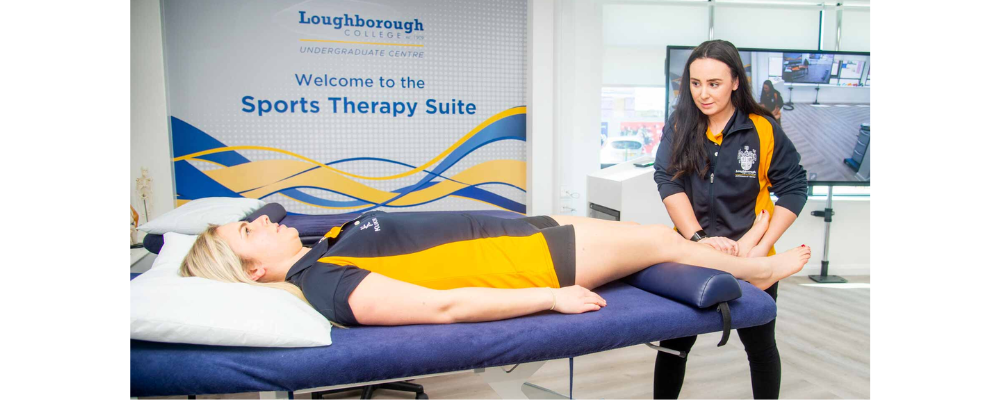
What Are Sports Injuries?
Sports injuries are damage to muscles, ligaments, tendons, bones, or joints that occur during physical activity or exercise, ranging from minor strains to serious ligament tears requiring surgical correction. They commonly affect the knee, shoulder, ankle, and elbow, and can result from sudden trauma or repetitive overuse.Common Types of Sports Injuries
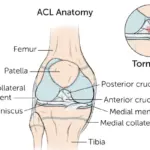
ACL Injury
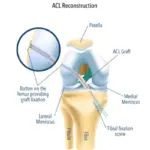
The anterior cruciate ligament (ACL) stabilizes the knee. ACL injury often occurs during sudden direction changes, jumping, or pivoting sports like football and badminton, and frequently requires ligament reconstruction.Meniscus Tear
A meniscus tear involves damage to the cartilage cushioning the knee joint, commonly caused by twisting motions during sports or gym training.Rotator Cuff Injury
Rotator cuff injury affects the shoulder muscles and tendons, often seen in racquet sports, swimming, and weightlifting enthusiasts.Tennis Elbow
Tennis elbow is a repetitive strain injury affecting the outer elbow tendons, common among badminton and racquet sport players, as well as gym-goers performing repetitive arm movements.Ankle Sprain
Ankle sprains occur when ligaments around the ankle stretch or tear, typically from uneven landings during running or football.Muscle Strain
Muscle strain happens when muscle fibers overstretch or tear, frequently affecting hamstrings and calves in runners and cricketers.Shoulder Injuries
Shoulder injuries range from dislocations to impingement syndrome, common in swimming, cricket bowling, and gym-based overhead lifting.Knee Injuries
Knee injuries are among the most frequent sports trauma cases, encompassing ligament tears, cartilage injury, and tendon injury from high-impact activities.Common Causes of Sports Injuries
- Sudden trauma or collision during play
- Repetitive overuse without adequate rest
- Improper warm-up or stretching
- Poor technique or training form
- Inadequate footwear or equipment
- Returning to sport too soon after a previous injury
Risk Factors for Active Professionals
Busy professionals balancing work and fitness are particularly vulnerable to sports injuries due to:- Limited time for proper warm-up routines
- Weekend-only high-intensity training (“weekend warrior” pattern)
- Pre-existing muscle imbalances from sedentary desk jobs
- Inadequate recovery between gym sessions
- Skipping physiotherapy after a previous injury
Signs and Symptoms
Common warning signs of sports injuries include:- Persistent joint or muscle pain
- Swelling or bruising
- Reduced range of motion
- Instability or “giving way” sensation in the joint
- Clicking, locking, or popping sounds
- Pain that worsens with activity
When Should You See an Orthopedic Specialist?
You should consult a sports injury specialist if pain persists beyond a few days, if swelling doesn’t subside, if you experience joint instability, or if you’re unable to bear weight or move the joint normally. Early evaluation prevents long-term complications and supports faster recovery.How Sports Injuries Are Diagnosed
Dr. Vijaykumar D uses a comprehensive diagnostic approach including:- Detailed physical examination
- Range-of-motion and stability testing
- X-rays for bone-related injuries
- MRI scans for ligament, tendon, and cartilage injury
- Ultrasound imaging for soft tissue assessment
Treatment Options
Conservative Treatment
For mild to moderate sports injuries, non-surgical management is often effective:- Rest – Avoiding aggravating activity to allow healing
- Ice – Reducing inflammation and pain in the acute phase
- Compression – Minimizing swelling with supportive bandaging
- Elevation – Reducing fluid buildup in the injured area
- Medication – Anti-inflammatory drugs for pain and swelling control
- Physiotherapy – Structured rehabilitation to restore strength and mobility
Advanced Treatments
When conservative care isn’t sufficient, advanced options include:- PRP Therapy – Platelet-rich plasma injections to accelerate tissue healing
- Arthroscopic Surgery – Minimally invasive sports surgery using small incisions and a camera-guided approach
- Ligament Reconstruction – Surgical repair for torn ligaments such as ACL injury
- Sports Rehabilitation – Structured, sport-specific recovery programs to safely restore performance
Sports Injury Recovery Timeline
Recovery duration depends on injury severity:- Mild muscle strains: 1–3 weeks
- Moderate ligament sprains: 4–6 weeks
- ACL reconstruction: 6–9 months for full return to sport
- Meniscus repair: 3–6 months
- Rotator cuff repair: 4–6 months
Importance of Rehabilitation
Rehabilitation after ACL surgery and other sports procedures is critical for regaining strength, flexibility, and confidence in the joint. Skipping structured physiotherapy after sports injury significantly increases the risk of re-injury and incomplete recovery.Tips to Prevent Sports Injuries
- Warm up thoroughly before activity and cool down afterward
- Use proper technique and equipment suited to your sport
- Gradually increase training intensity rather than sudden spikes
- Incorporate strength and flexibility training into your routine
- Allow adequate rest between intense training sessions
- Address minor pain early instead of “playing through it”
Returning to Sports Safely
A safe return to sports requires a gradual, supervised progression — starting with light activity, advancing through sport-specific drills, and only resuming full competition once strength, stability, and confidence are restored. Rushing this process is one of the leading causes of repeat sports trauma.Why Choose Dr. Vijaykumar D for Sports Injury Treatment in Bangalore
Dr. Vijaykumar D brings extensive experience in sports medicine, arthroscopic surgery, and athletic injury management, combining advanced diagnostic methods with individualized treatment plans. As one of the trusted names offering Sports Injury Treatment in Bangalore, his approach focuses on evidence-based care, minimally invasive techniques where appropriate, and comprehensive rehabilitation guidance — making him a preferred choice for professionals seeking the Best Sport Surgeon in Bangalore.Table 1: Sports Injury Treatment Options
| Injury Type | Recommended Treatment | Recovery Time | Surgery Required? | Success Rate |
| ACL Injury | Ligament reconstruction + rehab | 6–9 months | Often Yes | High |
| Meniscus Tear | Arthroscopic repair or conservative care | 3–6 months | Sometimes | High |
| Rotator Cuff Injury | Physiotherapy or arthroscopic repair | 4–6 months | Sometimes | High |
| Tennis Elbow | Rest, physiotherapy, PRP therapy | 4–8 weeks | Rarely | High |
| Ankle Sprain | RICE protocol + physiotherapy | 2–6 weeks | Rarely | Very High |
| Muscle Strain | Rest, ice, physiotherapy | 1–3 weeks | No | Very High |
Table 2: Conservative Treatment vs Arthroscopic Surgery
| Factor | Conservative Treatment | Arthroscopic Surgery |
| Best For | Mild to moderate injuries | Significant ligament/cartilage damage |
| Invasiveness | Non-invasive | Minimally invasive |
| Hospital Stay | None | Usually 1 day |
| Recovery Time | Shorter for minor injuries | Longer but thorough |
| Return to Sports | Faster for mild cases | Gradual, supervised return |
| Cost | Lower | Moderate to higher |
| Risk of Complications | Minimal | Low, with modern techniques |
Conclusion
Sports injuries shouldn’t sideline an active lifestyle permanently. With timely diagnosis and the right Sports Injury Treatment in Bangalore, most active professionals can return to the activities they love — stronger and better prepared to prevent future injury. Dr. Vijaykumar D offers personalized, evidence-based care for athletes and fitness enthusiasts across Bangalore.Frequently Asked Questions:
Who offers the best Sports Injury Treatment in Bangalore?
Dr. Vijaykumar D provides comprehensive Sports Injury Treatment in Bangalore, combining advanced diagnostics, minimally invasive surgery, and personalized rehabilitation for athletes and active individuals to help them return safely to sports.
Who is considered the Best Sport Surgeon in Bangalore?
Dr. Vijaykumar D is recognized as a trusted Sports Orthopedic Surgeon in Bangalore with expertise in arthroscopic surgery, ligament reconstruction, meniscus repair, and athlete-focused recovery plans.
What makes Dr. Vijaykumar D the Best Sport Specialist in Bangalore?
Dr. Vijaykumar D offers evidence-based, individualized treatment for ACL injuries, meniscus tears, rotator cuff injuries, shoulder instability, ankle injuries, and other sports-related conditions using the latest orthopedic techniques.
How do I find Sports Injury Treatment Near Me in Bangalore?
If you're searching for Sports Injury Treatment Near Me in Bangalore, consult Dr. Vijaykumar D for expert diagnosis, advanced imaging evaluation, non-surgical treatment, arthroscopic surgery, and comprehensive rehabilitation.
Who provides the best sports injury treatment in Bangalore?
Dr. Vijaykumar D is a leading orthopedic specialist offering expert sports injury treatment in Bangalore, known for personalized care, minimally invasive arthroscopic procedures, and structured rehabilitation programs for faster recovery.
When should I visit a sports injury specialist in Bangalore?
You should consult a sports injury specialist if you experience persistent pain, swelling, joint instability, reduced range of motion, difficulty walking, or inability to return to sports after an injury. Early diagnosis improves recovery outcomes.
Can sports injuries heal without surgery?
Yes. Many sports injuries can be successfully treated with rest, physiotherapy, activity modification, medications, and rehabilitation. Surgery is recommended only for severe ligament tears, unstable injuries, or conditions that do not improve with conservative treatment.
How long does recovery from a sports injury take?
Recovery depends on the type and severity of the injury. Minor muscle strains may recover within a few weeks, while ligament injuries such as ACL tears may require several months of rehabilitation following surgery or structured physiotherapy.
Trustindex verifies that the original source of the review is Google. Dr Vijay Kumar D is a great doctor. He takes time with patient to help them with their health issues and very humble to speak. I have observed the same during my every visit. It is rare to find Doctor that combine and thank you so much Vijay sirPosted onTrustindex verifies that the original source of the review is Google. क्या सर अभी एम्स में देखते हैं या सर को देखना है तो कैसे संपर्क किया जाए कृपया जल्दी बताए बहुत जरूरी है किसी को भी पता हो तो जरूर बताएPosted onTrustindex verifies that the original source of the review is Google. Good morning sir gPosted onTrustindex verifies that the original source of the review is Google. Dr. Vijay is an excellent doctor with a kind demeanor, a down-to-earth attitude, and a highly cooperative approach toward his patients.Posted onTrustindex verifies that the original source of the review is Google. Left ankle diagnostic arthroscopic loose chondral flap removal ,microfracher done by Dr. Vijay D , thank you so much,Posted onTrustindex verifies that the original source of the review is Google. My name is Chandan Sharma. I had ACL tear a year ago. Then AIIMS Orthopedic Surgeon Dr. Vijay Kumar Digge did my surgery. I am absolutely fine. I thank the Dr. and his surgeon team.Posted onTrustindex verifies that the original source of the review is Google. मैं जिला भिवानी हरियाणा से संगीता रहेजा हूं। मेरे दाएं पैर के टखने में कई सालों से दर्द और सूजन थी।कई बार तो चलना भी मुश्किल हो जाता। मैंने एम्स दिल्ली में दिखाया। वहां डॉक्टर विजय डी जी ने 27 नवंबर, 2024 को मेरे दाएं पैर के टखने का आपरेशन किया। यह आपरेशन बहुत सफल रहा।अब मैं वाकर और वाकरबूट के साथ चल सकती हूं और मुझे दर्द से राहत मिली। मैं डॉक्टर विजय डी जी का धन्यवाद करती हूं। मैं राम जी से प्रार्थना करती हूं कि वे इन्हें दीर्घायु करें ताकि ये ऐसे ही समाज सेवा करते रहें।Posted onTrustindex verifies that the original source of the review is Google. Dr. Vijay Kumar D is a very professional doctor. He has done excellent job. He has operated my mother's ankle surgery. We have an amazing experience. Patient Name - Mrs. Meenakshi Gulati.