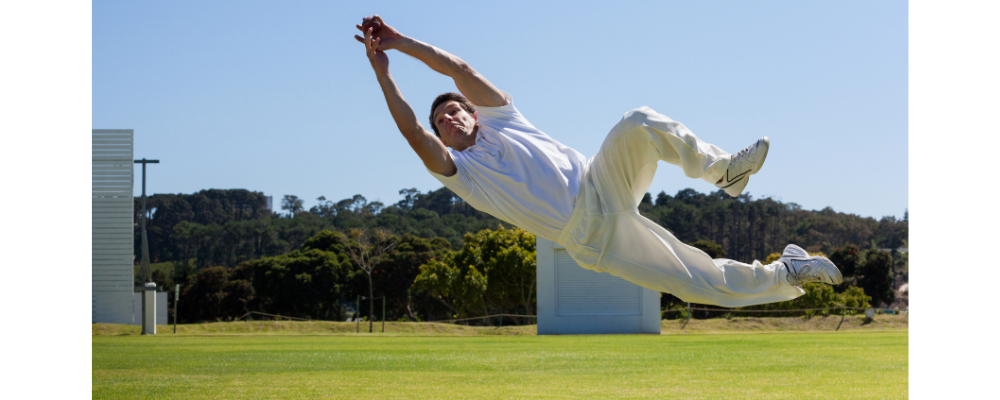
By Dr. Vijaykumar D | Orthopedic & Sports Injury Specialist | Brookefield, Bangalore
Cricket is more than just a sport in India — it’s a passion. From weekend matches at local grounds in Brookefield to competitive club cricket across Bangalore, thousands of players take to the field every week. But behind every powerful throw, a sharp off-spin delivery, or a diving catch in the outfield, the shoulder is doing extraordinary work.
Shoulder injuries are among the most common — and most underestimated — problems that cricketers face. Many players push through the pain, assuming it will go away on its own. More often than not, it doesn’t.
If you’ve been experiencing shoulder pain while playing cricket, this guide is for you. As an orthopedic and sports injury specialist based in Brookefield, Bangalore, I see cricket-related shoulder injuries regularly. Understanding the causes, recognising the warning signs, and knowing when to seek treatment can make all the difference — not just for your game, but for your long-term quality of life.
Why Shoulder Injuries Are So Common in Cricket
The shoulder is the most mobile joint in the human body. It can rotate, lift, extend, and reach in almost every direction. That’s exactly what makes it so vulnerable in a sport like cricket.
Think about the number of times a fielder throws the ball in from the boundary during a single match. Or how many deliveries a fast bowler sends down in a full spell. Or the repetitive overhead motion of a wicketkeeper taking balls across an entire innings.
All of this creates enormous stress on the muscles, tendons, ligaments, and bones that make up the shoulder. Over time, or after a single traumatic incident, something gives way — and that’s when pain begins.
Cricket players in Brookefield and across Bangalore often delay seeking medical attention because they assume rest will solve the problem. But without proper diagnosis and treatment from a cricket injury doctor in Brookefield, a minor strain can quietly develop into a serious condition.
Common Causes of Shoulder Pain in Cricket Players
What causes shoulder pain in cricket players?
The most common causes of shoulder pain in cricket include repetitive overhead motion during bowling and throwing, poor throwing mechanics, inadequate warm-up, muscle fatigue, direct falls on the shoulder, and pre-existing conditions like rotator cuff weakness. Both acute injuries and chronic overuse are responsible for cricket shoulder pain.
Here are the key causes in detail:
1. Repetitive Overhead Throwing Fast bowlers and fielders repeatedly use an overhead throwing action that stresses the rotator cuff and shoulder ligaments. Over time, this repeated strain causes microtears, inflammation, and pain.
2. Poor Bowling or Throwing Mechanics Incorrect technique places uneven load on specific tendons and muscles. Young cricketers who haven’t been coached properly are especially at risk.
3. Inadequate Warm-Up Jumping straight into a match or nets session without properly warming up the shoulder is one of the leading causes of acute injury. Cold muscles and stiff joints are far more prone to strain.
4. Muscle Fatigue and Overtraining Playing too much without adequate rest — especially during tournament seasons — can lead to cumulative muscle fatigue. Tired muscles compensate poorly, placing extra stress on the joint.
5. Direct Impact or Fall A diving catch gone wrong, a collision in the field, or falling awkwardly onto an outstretched arm can cause immediate trauma to the shoulder, including dislocation or fracture.
6. Weak Rotator Cuff and Core Stability Without strong supporting muscles, the shoulder joint itself bears excessive load. This is a preventable cause that good physiotherapy can address.
Types of Cricket Shoulder Injuries
Rotator Cuff Injuries
The rotator cuff is a group of four muscles and their tendons that hold the shoulder joint together and allow controlled arm movement. In cricket, the rotator cuff absorbs a tremendous amount of force during the bowling action and throwing.
Rotator cuff injuries in cricket range from mild inflammation to complete tears. A rotator cuff injury cricket Brookefield patients commonly report includes pain at the front or side of the shoulder, weakness when lifting the arm, and discomfort during or after bowling.
Partial rotator cuff tears can often be treated conservatively. Complete tears may require surgical intervention followed by structured rehabilitation.
Shoulder Dislocation
A shoulder dislocation occurs when the upper arm bone (humerus) pops out of the shoulder socket. This is typically caused by a sudden impact — a fall, a collision, or even a particularly forceful throw.
Shoulder dislocation cricket Brookefield is seen more commonly in young players and in fielders. The shoulder may visibly look out of place, with intense pain and inability to move the arm normally.
This is a medical emergency and should be treated immediately. After proper relocation of the joint, a structured physiotherapy programme is essential to prevent recurrence — which is unfortunately common without adequate rehabilitation.
Shoulder Tendinitis
Tendinitis refers to inflammation of a tendon, most commonly the biceps tendon or supraspinatus tendon in cricket players. This develops gradually with repetitive use and presents as a dull ache in the front or top of the shoulder that worsens with activity.
Bowlers and fielders who play through tendinitis risk progressing to a tendon tear — a far more serious condition.
Labral Tears (SLAP Lesions)
The labrum is a ring of cartilage that deepens the shoulder socket and keeps the joint stable. In cricket, particularly in fast bowlers and wicketkeepers, the labrum can be torn — a condition known as a SLAP (Superior Labrum Anterior to Posterior) lesion.
Symptoms include a deep aching pain inside the shoulder, a catching or clicking sensation, and decreased throwing velocity or accuracy. Labral tears often require MRI for accurate diagnosis and may need arthroscopic surgery in severe cases.
Muscle Strains and AC Joint Injuries
Muscle strains around the shoulder — including the deltoid and pectoral muscles — are common after sudden exertion. The acromioclavicular (AC) joint, where the collarbone meets the shoulder blade, can also be sprained or separated during falls.
Symptoms That Should Not Be Ignored
Many cricketers try to play through pain. Here are signs that you must stop playing and see a specialist:
- Pain that persists for more than one week despite rest
- Swelling, bruising, or visible deformity of the shoulder
- Weakness when raising or rotating the arm
- Sharp pain during the bowling or throwing action
- A clicking, popping, or grinding sensation in the joint
- Pain that disturbs your sleep, especially when lying on the affected side
- Loss of range of motion — inability to lift the arm fully overhead
- Pins and needles or numbness running down the arm
These symptoms suggest something beyond a simple muscle pull. A sports injury clinic in Brookefield like Dr. Vijaykumar D’s clinic can evaluate you with clinical examination and imaging to get a precise diagnosis.
Diagnosis and Medical Evaluation
When you visit a shoulder specialist for cricket injuries in Brookefield, a thorough evaluation will typically include:
- Detailed History — understanding the mechanism of injury, duration of symptoms, and activity levels
- Physical Examination — specific tests to assess rotator cuff strength, shoulder stability, and range of motion
- X-ray — to rule out fractures, dislocations, or bone spurs
- MRI Scan — the gold standard for imaging soft tissue injuries including rotator cuff tears and labral damage
- Ultrasound — useful for dynamic assessment of tendons during movement
Getting the right diagnosis early is critical. Many cricket players in Bangalore who delay evaluation end up requiring more extensive treatment simply because the injury was allowed to worsen.
Cricket Shoulder Pain Treatment Options in Brookefield
Treatment for shoulder injury in cricket depends entirely on the type and severity of the injury. Here’s an overview of what cricket sports medicine in Brookefield involves:
Conservative Treatment
For mild to moderate injuries, non-surgical approaches are often effective:
- Rest and activity modification — reducing or stopping cricket to allow healing
- Anti-inflammatory medication — to reduce pain and swelling
- Ice therapy — particularly in the first 48–72 hours after injury
- Corticosteroid injections — for severe tendinitis or bursitis that doesn’t respond to other treatment
- Physiotherapy — the cornerstone of most shoulder injury rehabilitation plans
Surgical Treatment
For complete rotator cuff tears, recurrent shoulder dislocations, severe labral tears, or fractures, surgery may be necessary. Common procedures include:
- Arthroscopic rotator cuff repair — minimally invasive, shorter recovery time
- Bankart repair — for recurrent shoulder dislocation
- SLAP repair — for labral tears affecting shoulder stability
- AC joint reconstruction — for grade III or higher AC joint separations
Surgery is always followed by a structured rehabilitation programme to restore full strength and function.
Role of Physiotherapy and Rehabilitation
Shoulder physiotherapy in Brookefield plays a central role in treating and preventing cricket shoulder injuries. Whether you’ve had surgery or are recovering from a conservative treatment plan, physiotherapy is what gets you back on the field safely.
A typical cricket shoulder rehabilitation programme includes:
| Phase | Goal | Timeline |
| Acute Phase | Reduce pain and inflammation | Weeks 1–2 |
| Early Rehab | Restore range of motion | Weeks 2–4 |
| Strengthening | Rebuild rotator cuff and scapular muscles | Weeks 4–8 |
| Sport-Specific | Gradual return to throwing and bowling | Weeks 8–12+ |
| Return to Play | Full match fitness | 3–6 months (varies by injury) |
Sports physiotherapy in Brookefield focuses on not just recovering from injury, but also correcting the mechanical imbalances that caused it in the first place — preventing recurrence.
Prevention Tips for Cricketers
How can cricketers prevent shoulder injuries?
Cricketers can prevent shoulder injuries by warming up properly before play, strengthening the rotator cuff with targeted exercises, maintaining good throwing and bowling technique, allowing adequate rest between sessions, and seeking early medical attention when pain begins.
Here are actionable prevention strategies:
1. Always Warm Up Thoroughly Spend at least 10–15 minutes warming up the shoulder before any net session or match. Arm circles, shoulder rotations, and band exercises are excellent starting points.
2. Strengthen Your Rotator Cuff Incorporate rotator cuff strengthening exercises into your regular training routine. Exercises with resistance bands — internal rotation, external rotation, and shoulder elevation — build the muscular foundation that protects the joint.
3. Work on Scapular Stability A stable scapula (shoulder blade) creates a solid base for arm movement. Scapular retraction exercises and rows can dramatically reduce shoulder injury risk.
4. Focus on Technique Work with a qualified coach to ensure your bowling action and throwing mechanics are sound. Small technical flaws can add up to significant injury over a season.
5. Manage Your Bowling Load Especially for young bowlers, monitoring the number of overs bowled per session and per week is critical. Fatigue is a major risk factor for injury.
6. Don’t Ignore Early Warning Signs A little ache that you shrug off today can become a serious tear six months from now. See a cricket injury doctor in Brookefield at the first sign of persistent pain.
7. Cool Down and Stretch Post-Play After a match or training session, spend time stretching the shoulder muscles. Cross-body shoulder stretch, doorway chest stretch, and sleeper stretch are particularly beneficial.
8. Use Adequate Recovery Time Sleep, nutrition, and rest days are not optional — they’re when your body repairs itself. Adequate recovery is as important as training.
When to Consult a Shoulder Specialist
When should you see a doctor for cricket shoulder pain?
You should see a shoulder specialist if your pain lasts more than a week despite rest, if you experience weakness or loss of movement in the arm, if the shoulder visibly looks displaced, if you hear or feel a pop during activity, or if pain is affecting your sleep or daily life.
Don’t wait until you can no longer play. Seeing a shoulder specialist for cricket injuries in Brookefield early means:
- A faster, more complete recovery
- A lower chance of requiring surgery
- Reduced risk of long-term joint damage
- A quicker return to the sport you love
Why Choose Dr. Vijaykumar D in Brookefield, Bangalore?
Dr. Vijaykumar D is an experienced Orthopedic & Sports Injury Specialist based in Brookefield, with extensive expertise in diagnosing and treating cricket and sports-related shoulder injuries. Cricketers from Brookefield, Whitefield, and across Bangalore trust Dr. Vijaykumar for:
- Accurate Diagnosis — using clinical expertise and modern imaging to identify the exact nature of the injury
- Personalised Treatment Plans — tailored to each patient’s injury type, sport, and lifestyle
- Conservative-First Approach — avoiding surgery wherever possible, using evidence-based physiotherapy and rehabilitation
- Surgical Excellence — when surgery is necessary, minimally invasive techniques are used for faster recovery
- Return-to-Sport Focus — the goal is always to get you back on the cricket field safely and fully
Whether you’re a professional cricketer, an amateur club player in Bangalore, or a parent worried about your child’s shoulder pain, Dr. Vijaykumar D provides expert care you can trust.
Conclusion
Cricket places unique and significant demands on the shoulder. From the thundering delivery of a fast bowler to the precision throw of an outfielder, every position in the game exposes the shoulder to potential injury. The good news is that most shoulder injuries in cricket are both treatable and preventable.
Don’t let pain sideline you indefinitely. With the right diagnosis, the right treatment plan, and proper rehabilitation through shoulder physiotherapy in Brookefield, most cricketers can make a full recovery and return to the game they love.
If you or someone you know is experiencing cricket-related shoulder pain in Brookefield, Whitefield, or anywhere in Bangalore — get expert help sooner rather than later.
📞 Book Now
🏏 Shoulder Pain Stopping Your Game? Let’s Fix That.
Don’t let a shoulder injury keep you off the cricket field. Dr. Vijaykumar D, Orthopedic & Sports Injury Specialist in Brookefield, Bangalore, is here to help.
✅ Expert diagnosis of all cricket shoulder injuries ✅ Personalised, evidence-based treatment plans ✅ Physiotherapy and sport-specific rehabilitation ✅ Minimally invasive surgical options when needed ✅ Trusted by cricketers across Brookefield, Whitefield & Bangalore
👉 Book Your Consultation Today 📍 Clinic Location: Brookefield, Bangalore 🌐 www.drvijayortho.com 📅 Early consultation = faster recovery
Frequently Asked Questions :
What are the most common shoulder injuries in cricket players?
The most common shoulder injuries in cricket players include:
- Rotator cuff tears
- Shoulder dislocation
- Labral (SLAP) tears
- Shoulder tendinitis
- Acromioclavicular (AC) joint injuries
These injuries are often caused by repetitive bowling, throwing, or direct impact during play.
What causes shoulder pain in cricket players?
Shoulder pain in cricketers is commonly caused by repetitive overhead bowling and throwing motions. Other contributing factors include:
- Poor bowling technique
- Overtraining and muscle fatigue
- Inadequate warm-up
- Falls or direct shoulder trauma
- Weak shoulder stabilizing muscles
How can cricketers prevent shoulder injuries?
Cricketers can reduce the risk of shoulder injuries by:
- Performing proper warm-up exercises
- Strengthening the rotator cuff and shoulder muscles
- Maintaining correct bowling and throwing techniques
- Managing bowling workload and recovery time
- Seeking early treatment for persistent pain
When should a cricketer see a doctor for shoulder pain?
A sports injury specialist should be consulted if:
- Pain lasts more than one week
- There is weakness or reduced movement
- The shoulder feels unstable or dislocates
- Clicking or popping sensations occur
- Pain interferes with sleep or daily activities
Is shoulder pain after cricket normal?
Mild soreness after intense cricket sessions can be normal. However, persistent pain, swelling, weakness, or reduced shoulder movement is not normal and should be medically evaluated to rule out ligament, tendon, or cartilage injuries.
Is surgery always needed for cricket shoulder injuries?
No. Most cricket shoulder injuries improve with rest, medications, physiotherapy, and rehabilitation. Surgery is usually reserved for severe conditions such as:
- Complete rotator cuff tears
- Recurrent shoulder dislocations
- Large labral tears
- Failed non-surgical treatment
How long does recovery from a cricket shoulder injury take?
Recovery depends on the injury severity:
- Mild muscle strains: 1–3 weeks
- Rotator cuff injuries: 6–12 weeks
- Post-surgical recovery: 3–6 months
Early diagnosis and proper rehabilitation significantly improve recovery outcomes.
Where can I find a shoulder specialist for cricket injuries in Brookefield?
Dr. Vijaykumar D is an Orthopedic and Sports Injury Specialist in Brookefield, Bangalore, with expertise in treating cricket-related shoulder injuries, sports trauma, shoulder arthroscopy, and rehabilitation for athletes across Brookefield, Whitefield, and nearby areas.