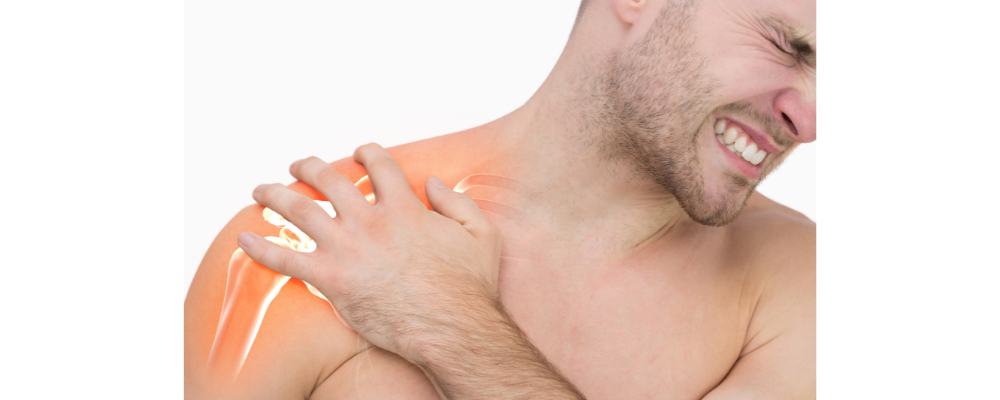
Your shoulder is one of the most mobile joints in your body — and because of that, it is also one of the most vulnerable. Whether you are a weekend cricketer in Whitefield, a gym regular in Indiranagar, or someone who simply reached for something on a high shelf and felt a sharp snap, shoulder pain can stop your life in its tracks.
Bangalore’s active lifestyle and booming sports culture mean shoulder injuries are increasingly common here. The good news is that modern orthopaedic care — including minimally invasive arthroscopic surgery — has transformed outcomes for patients with even complex shoulder conditions.
This guide covers the types of shoulder injuries, treatment options, and how to find the best shoulder surgeon in Bangalore for your specific condition.
Why Shoulder Injuries Are So Common
The shoulder joint, or glenohumeral joint, relies heavily on soft tissues — muscles, tendons, and ligaments — rather than bony structure for its stability. This design gives you incredible range of motion for bowling a delivery or lifting a barbell overhead, but it also makes the joint susceptible to injury when those soft tissues are overloaded or traumatised.
The most common shoulder complaints seen in Bangalore’s orthopaedic clinics include:
• Shoulder dislocation: The ball pops out of the socket, often during falls or contact sports.
• Rotator cuff tear: A tear in one or more of the four tendons stabilising the shoulder.
• Shoulder fracture: Breaks to the humerus, clavicle, or scapula after trauma.
• Frozen shoulder: Progressive stiffness and pain from capsular inflammation.
• Shoulder impingement: Tendons get pinched during arm elevation.
• SLAP lesion: A labral tear common in overhead throwing athletes.
Shoulder Injuries in Cricket, Football & the Gym
Bangalore has a passionate sporting community — from IPL fan-clubs to football academies across HSR Layout and Sarjapur Road to the hundreds of CrossFit boxes and fitness studios that have sprung up across the city in Koramangala, JP Nagar, and Electronic City. With all that activity comes a predictable rise in shoulder injuries.
Cricket: The Overhead Athlete’s Shoulder
Fast bowlers and fielders are particularly at risk. Repetitive overhead motion — bowling at pace, throwing from the boundary — places enormous stress on the rotator cuff and the labrum (the cartilage rim of the shoulder socket). Over time, this leads to rotator cuff tears, SLAP lesions, and internal shoulder impingement. A single aggressive dive while fielding can also result in a sudden shoulder dislocation or shoulder fracture, most commonly of the clavicle.
Football: Contact, Collision & the Fallen Arm
In football (and increasingly in Bangalore’s growing futsal scene), shoulder dislocations and shoulder fractures most often happen when a player falls onto an outstretched arm or takes a heavy collision. Goalkeepers are especially prone to shoulder injury while diving. Once a dislocation has occurred once, the risk of a second dislocation is very high — especially in young athletes under 30 — which is why surgical stabilisation is often recommended.
Gym Injuries: Lifting Too Heavy, Too Fast
Rotator cuff tears are the hallmark gym shoulder injury. Bench press with poor form, overhead press with excessive load, or sudden jerky movements during a pull-up can all cause partial or complete rotator cuff tears. Gym-goers frequently present to orthopaedic clinics with this condition after ignoring weeks of shoulder pain while training through it.
⚠ Important: Do not train through sharp or persistent shoulder pain. Ignoring it can turn a partial rotator cuff tear into a complete tear, which is far more complex to repair surgically.
Shoulder Dislocation: What Happens and What to Do
A shoulder dislocation occurs when the humeral head (the ball) is forced out of the glenoid (the socket). About 95% of dislocations are anterior — the ball pops forward — and they typically happen when the arm is raised and rotated outward during a fall or collision.
Signs of a shoulder dislocation:
• Sudden, severe shoulder pain
• Visible deformity — the shoulder looks “out of place”
• Inability to move the arm
• Numbness or tingling down the arm
• Muscle spasm around the shoulder
A dislocated shoulder must be reduced (put back in place) by a trained medical professional — never attempt to self-reduce. In Bangalore, head to the nearest emergency department or call your orthopaedic surgeon immediately.
First Dislocation vs. Recurrent Dislocation
After a first-time dislocation, the joint may be managed conservatively with immobilisation and physiotherapy. However, recurrent shoulder dislocation — particularly in younger, active patients — significantly damages the labrum (a condition called Bankart lesion) and requires surgical repair. The Bankart repair procedure, performed arthroscopically by the best surgeon for shoulder dislocation in Bangalore, restores stability to the joint and dramatically lowers the risk of re-dislocation.
Rotator Cuff Tear & Rotator Cuff Repair
The rotator cuff is a group of four muscles (supraspinatus, infraspinatus, teres minor, and subscapularis) and their tendons that wrap around the humeral head. A rotator cuff tear — whether from acute trauma or gradual degeneration — can cause significant pain and functional loss.
Types of rotator cuff tears:
• Partial thickness tear: Only part of the tendon is torn; the tendon still attaches to the bone.
• Full thickness (complete) tear: The tendon is completely detached from the bone.
• Massive rotator cuff tear: Two or more tendons are involved — requires complex surgical planning.
Symptoms of a Rotator Cuff Tear
• Dull ache deep in the shoulder, often worse at night
• Weakness when lifting or rotating the arm
• Difficulty with overhead activities (combing hair, reaching a high shelf)
• A crackling sensation (crepitus) when moving the shoulder
Rotator Cuff Repair Surgery
Not all rotator cuff tears require surgery. Small partial tears in older or less active patients may respond well to physiotherapy, anti-inflammatory medication, and corticosteroid injections. However, large tears, complete tears, or tears in young and active individuals typically need surgical repair to restore full function.
Modern rotator cuff repair in Bangalore is performed arthroscopically — through tiny keyhole incisions — by experienced shoulder surgeons. During arthroscopic rotator cuff repair, the surgeon reattaches the torn tendon to the bone using small anchors. This minimally invasive approach means less pain, smaller scars, and faster recovery.
| Approach | Best For | Recovery | Scar Size |
| Arthroscopic repair | Most partial and full tears | 4–6 months | 3–4 small incisions |
| Mini-open repair | Large / complex tears | 5–7 months | One small incision |
| Open repair | Massive / revision tears | 6–9 months | Larger incision |
Shoulder Fractures: Bones, Not Just Soft Tissue
A shoulder fracture refers to a break in one of the three bones that make up the shoulder: the humerus (upper arm bone), the clavicle (collarbone), or the scapula (shoulder blade). Clavicle fractures are the most common, often seen after cycling falls on Bangalore’s outer ring roads or after direct blows in contact sports.
When Is Surgery Needed for a Shoulder Fracture?
Many fractures can be managed non-surgically in a sling, but surgery is needed when the bone fragments are significantly displaced, when the fracture involves the shoulder joint surface, or when the patient is young and active. The best surgeon for shoulder fractures in Bangalore will assess the fracture pattern on X-ray and CT scan before recommending the right course of action — fixation with plates and screws, or in severe cases, shoulder replacement.
When Should You See a Shoulder Surgeon in Bangalore?
Many people make the mistake of waiting months before seeing a specialist. Do not delay if you experience:
• Shoulder pain that has not improved after 2–3 weeks of rest and over-the-counter pain relief
• A visible deformity or suspected dislocation after a fall
• Weakness in the arm — especially trouble lifting it above shoulder level
• A popping or snapping sensation after a sports incident
• Night pain that disrupts sleep consistently
• Any shoulder injury in an athlete who wants to return to sport
How to Choose the Best Shoulder Surgeon in Bangalore
Finding the right specialist makes a significant difference to your outcome. Here is what to look for:
1. Sub-specialty training: Look for a surgeon with dedicated fellowship training in shoulder and sports medicine — not just a general orthopaedic surgeon.
2. Arthroscopy expertise: The best rotator cuff surgeons in Bangalore perform arthroscopic procedures regularly with high volume and good outcomes.
3. Patient outcomes: Ask about success rates for your specific procedure — Bankart repair, rotator cuff repair, or fracture fixation.
4. Integrated rehabilitation: A good surgeon works closely with physiotherapists to guide your recovery from day one.
Recovery After Shoulder Surgery: What to Expect
Recovery timelines depend on the procedure, but a general framework applies to most shoulder surgeries:
| Phase | Timeline | Goal | Activities |
| 1 — Protection | 0–6 weeks | Protect the repair | Sling use, gentle pendulum exercises |
| 2 — Motion | 6–12 weeks | Restore range of motion | Passive & active-assisted exercises |
| 3 — Strengthening | 3–5 months | Build strength | Progressive resistance training |
| 4 — Return to Sport | 5–9 months | Full function | Sport-specific drills & clearance |
Frequently Asked Questions :
Shoulder Surgeon in Bangalore – FAQs
What is the best treatment for a rotator cuff tear in Bangalore?
Treatment depends on severity. Small tears are treated with physiotherapy and injections, while large tears may require arthroscopic surgery.
How do I know if I have a rotator cuff tear or muscle strain?
Muscle strains improve quickly, while rotator cuff tears cause persistent pain and weakness. MRI helps confirm diagnosis.
Can a dislocated shoulder heal without surgery?
First-time dislocations may heal without surgery, but repeated dislocations often need surgical repair.
How long does recovery take after rotator cuff repair surgery?
Recovery takes 4–6 weeks initial healing and 5–9 months for full recovery with rehabilitation.
Is arthroscopic shoulder surgery safe?
Yes, it is minimally invasive and safe with low complication rates when done by experienced surgeons.
Can I play cricket again after shoulder surgery?
Yes, most patients return to sports after proper rehab, usually within 6–12 months.
What is the difference between a shoulder dislocation and fracture?
Dislocation is joint displacement, while fracture is a broken bone. Both require different treatments.
When does a shoulder fracture need surgery?
Surgery is needed when fractures are displaced or unstable, especially in active individuals.
How do I choose the best shoulder surgeon in Bangalore?
Choose based on experience, specialization, patient reviews, and access to advanced techniques.
How much does shoulder surgery cost in Bangalore?
Costs range from ₹1.5 lakh to ₹4 lakh depending on procedure and hospital. Insurance may cover it.
Ready to Get Your Shoulder Assessed by a Specialist?
Whether you are dealing with shoulder pain after a cricket match, a gym injury, a shoulder dislocation, or a rotator cuff tear — our specialist shoulder surgeon in Bangalore is here to help you get back to full function.