Knee injuries can disrupt daily life, mobility, and confidence—especially when they involve the anterior cruciate ligament (ACL). Whether caused by sports injuries, sudden twisting movements, or accidents, ACL tears are among the most common yet serious knee injuries. Without proper treatment, they can lead to long-term instability, pain, and early arthritis.
With modern medical advancements, Anterior Cruciate Ligament Surgery in Infantry Road has become a safe, reliable, and highly effective solution for restoring knee stability and helping patients return to an active lifestyle. Under the expert care of Dr. Vijaykumar D, patients receive comprehensive treatment that focuses not only on surgery but also on long-term recovery and joint health.
This blog explains ACL injuries, treatment options, surgical safety, recovery timelines, and why choosing the right orthopedic specialist makes all the difference.
Understanding the Anterior Cruciate Ligament (ACL)
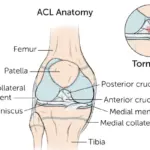
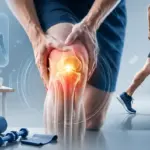
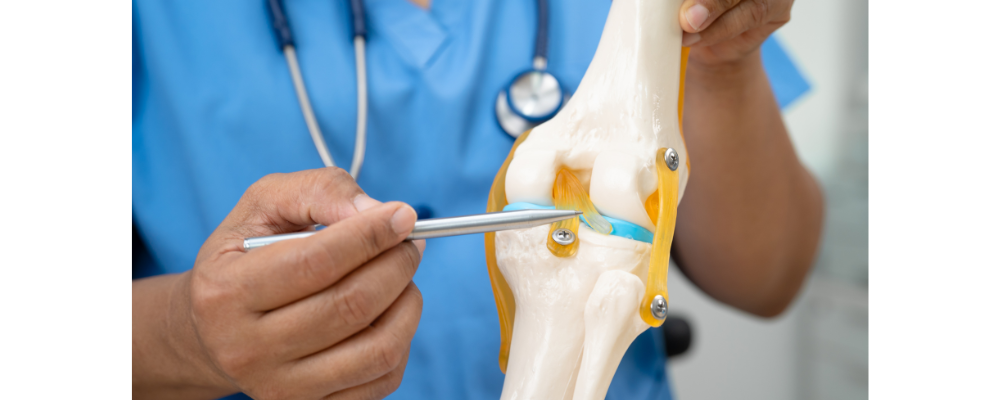
The ACL is one of the key ligaments that stabilize the knee joint. It connects the thigh bone (femur) to the shin bone (tibia) and controls forward movement and rotational stability of the knee.
An ACL injury typically occurs during:
- Sudden stops or direction changes
- Jumping and landing incorrectly
- Sports like football, basketball, or badminton
- Road traffic accidents
Patients seeking Anterior Cruciate Ligament Surgery in Bangalore often experience symptoms such as knee instability, swelling, pain, and difficulty bearing weight.
Why ACL Injuries Should Not Be Ignored
Ignoring an ACL tear or delaying treatment can result in:
- Repeated knee instability
- Damage to meniscus and cartilage
- Reduced athletic performance
- Early onset knee arthritis
Early diagnosis and timely intervention significantly improve long-term outcomes and prevent secondary knee damage.
Diagnosing an ACL Tear
Accurate diagnosis is the foundation of effective treatment. Diagnosis typically includes:
- Detailed physical examination
- Stability tests (Lachman, Pivot Shift tests)
- MRI scan to confirm ligament damage
An experienced orthopedic specialist ensures that the injury is assessed thoroughly before deciding on the best treatment plan.
Non-Surgical vs Surgical Treatment: What’s Right for You?
Non-Surgical Treatment
Some partial ACL tears or low-activity individuals may benefit from:
- Physiotherapy
- Knee bracing
- Activity modification
However, complete ACL tears often require surgery for lasting stability.
Surgical Treatment
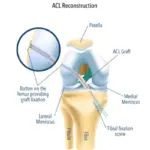
ACL reconstruction surgery replaces the torn ligament with a graft, restoring knee function and stability. Patients looking for Best Anterior Cruciate Ligament Surgery near me Infantry Road often choose surgical treatment to safely return to sports and physically demanding activities.
What Makes ACL Surgery Safe Today?
Modern ACL surgery is far safer than it was a decade ago due to:
- Arthroscopic (minimally invasive) techniques
- Advanced imaging and surgical planning
- Improved anesthesia safety
- Faster rehabilitation protocols
Patients undergoing Anterior Cruciate Ligament Surgery in Infantry Road benefit from smaller incisions, minimal blood loss, reduced pain, and quicker recovery.
The ACL Surgery Procedure Explained
ACL reconstruction is usually performed arthroscopically and includes:
- Removal of damaged ligament tissue
- Harvesting a graft (usually hamstring or patellar tendon)
- Precise placement of the graft
- Fixation using advanced surgical implants
This technique ensures anatomical accuracy and long-term joint stability.
Recovery Timeline After ACL Surgery
Recovery is a structured and gradual process:
First 2 Weeks
- Swelling and pain control
- Use of knee brace and crutches
- Gentle range-of-motion exercises
Weeks 3–6
- Improved mobility
- Strengthening of thigh muscles
- Gradual weight bearing
3–6 Months
- Advanced physiotherapy
- Balance and coordination training
- Return to daily activities
6–12 Months
- Sports-specific training
- Full return to sports and high-impact activities
Patients treated by the Best Orthopedic Doctor in Bangalore benefit from a personalized rehabilitation plan that minimizes reinjury risk.
Role of Physiotherapy in Long-Term Success
Physiotherapy is as important as the surgery itself. It helps:
- Restore muscle strength
- Improve joint flexibility
- Enhance balance and coordination
- Prevent stiffness and complications
Skipping or rushing physiotherapy can compromise surgical success.
Who Is an Ideal Candidate for ACL Surgery?
ACL surgery is recommended for:
- Athletes and sports-active individuals
- Patients with knee instability
- People with associated meniscus injuries
- Those who want to return to physically demanding jobs
A detailed consultation ensures the right decision for each patient.
Why Choose Dr. Vijaykumar D for ACL Surgery?
Doctor is widely respected for his expertise in managing complex knee injuries. His approach focuses on:
- Accurate diagnosis
- Evidence-based surgical techniques
- Patient education
- Long-term functional recovery
Patients seeking Anterior Cruciate Ligament Surgery in Bangalore trust his experience for safe procedures and consistent outcomes.
Safety Measures Before and After Surgery
Patient safety is prioritized through:
- Pre-surgical fitness evaluation
- Infection prevention protocols
- Post-operative monitoring
- Structured rehabilitation
These measures ensure predictable recovery and reduce complications.
Lifestyle Adjustments After ACL Surgery
To protect the reconstructed ligament, patients should:
- Avoid high-impact activities initially
- Maintain ideal body weight
- Continue strengthening exercises
- Follow surgeon’s guidance strictly
These habits promote long-term knee health.
Long-Term Outcomes of ACL Surgery
When performed correctly and followed by proper rehabilitation, ACL surgery offers:
- Stable knee joint
- Improved confidence in movement
- Return to sports and active lifestyle
- Reduced risk of future knee damage
Patients who opt for Best Anterior Cruciate Ligament Surgery near me Infantry Road often regain full function and quality of life.
Conclusion
ACL injuries can be life-altering, but they are highly treatable with timely and expert care. Safe and effective ACL surgery, combined with disciplined rehabilitation, helps patients regain strength, stability, and independence.Under the guidance of Dr. Vijaykumar D, patients receive personalized care that emphasizes safety, precision, and long-term success—allowing them to return confidently to their daily routines and sports activities.
FAQs :
1. Is ACL surgery safe?
Yes, ACL surgery is very safe when performed using modern arthroscopic techniques by an experienced orthopedic surgeon.
2. How long does it take to recover from ACL surgery?
Full recovery usually takes 6 to 12 months, depending on rehabilitation progress and activity level.
3. Can I walk after ACL surgery?
Yes, walking is allowed with support in the early phase and improves gradually with physiotherapy.
4. Is physiotherapy necessary after ACL surgery?
Yes, physiotherapy is essential to restore strength, stability, and prevent re-injury.
5. Who should undergo ACL surgery?
Patients with knee instability, athletes, and those wanting to return to active lifestyles are ideal candidates.