Lower limb deformities, whether congenital or acquired, can significantly affect a person’s mobility, posture, and overall quality of life. Conditions such as bow legs, knock knees, leg length discrepancies, and other structural abnormalities not only impact daily functioning but may also lead to joint pain, arthritis, and long-term disability if left untreated. Effective management of these deformities requires a combination of precise surgical intervention and structured rehabilitation. At the forefront of this specialized care is Dr. Vijaykumar D, offering expert solutions for lower limb deformity correction in Indiranagar with a focus on functional recovery and long-term mobility.
Understanding Lower Limb Deformities
Lower limb deformities are structural or alignment abnormalities affecting the legs, knees, ankles, or feet. They may develop due to:
- Congenital conditions present at birth
- Growth-related abnormalities during childhood
- Traumatic injuries causing bone misalignment
- Degenerative conditions affecting joints
- Metabolic or neurological disorders
Symptoms can vary depending on the severity and type of deformity, but common signs include:
- Visible misalignment of the legs
- Unequal leg length
- Difficulty walking or running
- Chronic pain in knees, hips, or lower back
- Early onset arthritis in misaligned joints
Early intervention is key for preventing further joint degeneration and ensuring better long-term outcomes.
Importance of Rehabilitation-Focused Treatment
Traditionally, lower limb deformity correction focused mainly on surgical intervention. However, modern orthopedic care emphasizes rehabilitation-focused approaches, which integrate post-surgical physiotherapy, muscle strengthening, gait training, and functional recovery into the treatment plan.
Benefits of rehabilitation-focused care include:
- Faster recovery and reduced complications
- Improved joint stability and muscle strength
- Restoration of natural gait and balance
- Reduced risk of recurrence or secondary deformities
- Enhanced quality of life and mobility
This holistic approach ensures that patients not only achieve anatomical correction but also regain functional independence.
Common Types of Lower Limb Deformities
Understanding the type of deformity is essential for planning the appropriate surgical and rehabilitative strategy. Some of the common lower limb deformities include:
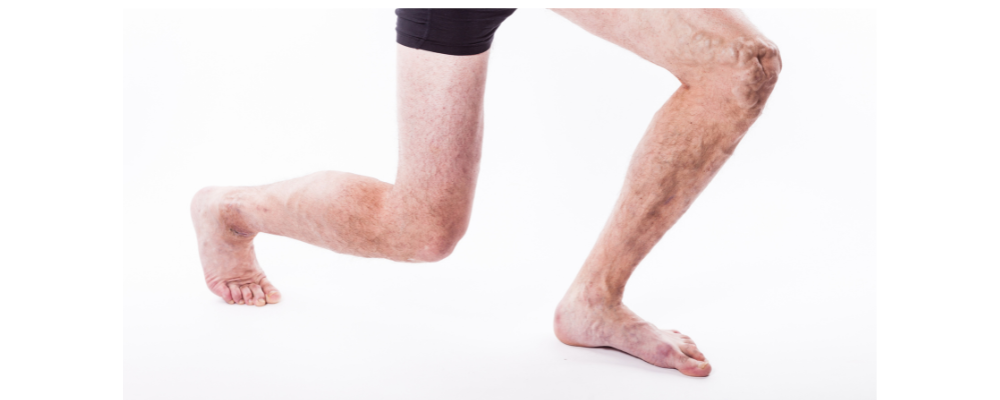
1. Bow Legs (Genu Varum)
Characterized by outward curving of the legs, causing knees to stay apart while standing with feet together. It can lead to knee pain and early arthritis if untreated.
2. Knock Knees (Genu Valgum)
A condition where knees touch while ankles remain apart, often causing abnormal gait patterns and stress on the knee joints.
3. Leg Length Discrepancy
One leg is shorter than the other, affecting posture, balance, and walking mechanics.
4. Angular Deformities
Includes varus or valgus angulations affecting bones and joints due to trauma, congenital issues, or growth plate disturbances.
5. Post-Traumatic Deformities
Results from improperly healed fractures, joint injuries, or surgical complications.
Evaluation and Diagnosis
Accurate diagnosis is the first step for successful lower limb deformity correction in Bangalore. Evaluation typically involves:
- Physical Examination – Assessing gait, range of motion, leg length, and joint stability
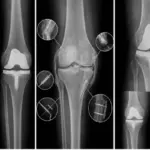
- Radiographic Imaging – X-rays, CT scans, or MRI to evaluate bone alignment, joint health, and deformity angles
- Biomechanical Assessment – Gait analysis and muscle evaluation to identify compensatory mechanisms
- Medical History Review – Previous injuries, surgeries, and underlying medical conditions
These assessments help in planning limb alignment surgery in Indiranagar, ensuring precise correction and functional outcomes.
Surgical Options for Lower Limb Deformity Correction
Depending on the type and severity of deformity, the following surgical interventions may be recommended:
1. Osteotomy
Surgical cutting and realignment of bones to correct angular deformities or leg length differences.
2. Limb Lengthening Procedures
Gradual lengthening of short limbs using external or internal fixation devices to achieve symmetry.
3. Joint Realignment
Corrective procedures around the knee, ankle, or hip to restore joint mechanics.
4. Internal Fixation
Plates, screws, or rods may be used to stabilize bones after realignment.
5. Minimally Invasive Techniques
Where appropriate, less invasive methods reduce tissue trauma and speed up recovery.
Post-Surgical Rehabilitation
Recovery after lower limb deformity correction in Indiranagar is a crucial phase. Rehabilitation may include:
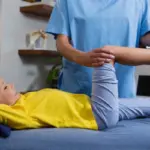
- Early Mobilization – Gentle movements to prevent stiffness and improve circulation
- Muscle Strengthening – Exercises to support the corrected limb and maintain balance
- Gait Training – Restoring natural walking patterns with orthotic support if required
- Functional Therapy – Activities that simulate real-life movements for independence
- Pain and Swelling Management – Medications, ice therapy, or compression techniques
Rehabilitation-focused care ensures that the patient not only heals anatomically but also regains functional mobility safely.
Advantages of Choosing Expert Care in Indiranagar
Patients seeking lower limb deformity correction near me Indiranagar benefit from:
- Proximity to advanced medical facilities
- Access to expert orthopedic surgeons like Dr. Vijaykumar D
- Continuous monitoring and personalized rehabilitation
- Reduced travel stress for follow-up appointments
- Enhanced outcomes through integrated care
Local expertise ensures timely interventions and better adherence to post-surgical rehabilitation plans.
Expertise of Dr. Vijaykumar D
Doctor is recognized for his clinical precision, innovative surgical techniques, and rehabilitation-focused approach. He prioritizes:
- Detailed preoperative assessment
- Customized surgical plans
- Evidence-based rehabilitation protocols
- Patient education and shared decision-making
His reputation as a trusted Best Orthopedic Doctor in Indiranagar stems from consistently achieving excellent anatomical and functional outcomes.
Technology-Enhanced Treatment
Modern orthopedic care leverages technology for better outcomes in lower limb deformity correction:
- 3D Imaging & Surgical Planning – Enables accurate correction angles
- Computer-Assisted Surgery – Ensures precise limb alignment
- Rehabilitation Monitoring Tools – Tracks progress and adjusts therapy accordingly
These tools improve surgical accuracy and enhance patient confidence during recovery.
Preventing Complications
Following surgery and rehabilitation, patients are educated to prevent recurrence or secondary problems:
- Adhering to physiotherapy schedules
- Avoiding high-impact activities during initial recovery
- Monitoring for signs of infection or swelling
- Using prescribed orthotic devices as needed
Proactive care ensures long-lasting correction and functional improvement.
Living with Corrected Lower Limb Alignment
Successful lower limb deformity correction in Bangalore not only restores anatomical alignment but also improves:
- Mobility and gait
- Physical performance in daily and sports activities
- Joint health and reduced pain
- Overall quality of life
Rehabilitation-focused treatment ensures patients regain independence and confidence in their movements.
FAQs:
1. What is lower limb deformity correction surgery?
It is a surgical procedure to correct structural abnormalities of the legs, knees, or ankles to restore alignment, mobility, and function.
2. How is limb alignment surgery different from other orthopedic surgeries?
Limb alignment surgery focuses on correcting deformities in bone structure and joint positioning, often requiring precise preoperative planning and post-surgical rehabilitation.
3. Who is eligible for lower limb deformity correction?
Patients with congenital deformities, post-traumatic misalignments, angular deformities, or leg length discrepancies are candidates for surgical correction.
4. How long is the recovery period after lower limb deformity correction?
Recovery varies depending on the type and severity of the deformity, typically ranging from several weeks to a few months with structured rehabilitation.
5. Who should perform lower limb deformity correction?
An experienced orthopedic surgeon specializing in limb reconstruction, such as Dr. Vijaykumar D, is best suited to perform lower limb deformity correction safely and effectively.