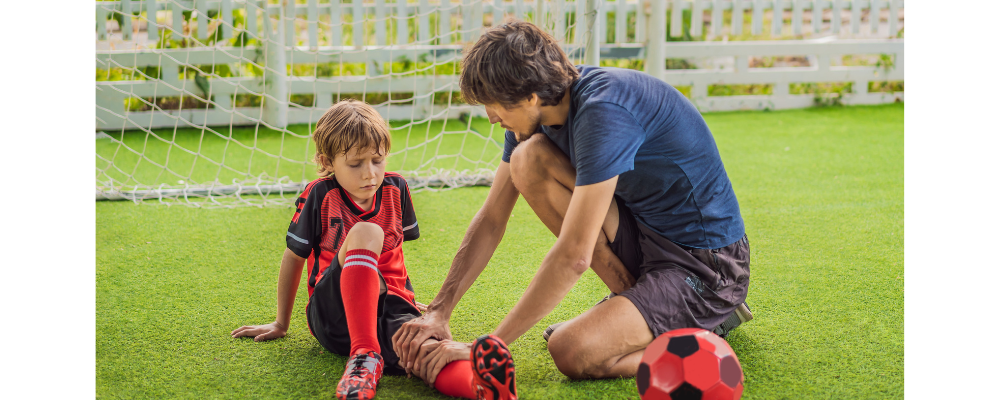
Sports injuries are unpredictable. They can occur during intense training, casual weekend games, gym workouts, or even simple missteps during running or stretching. Whether you are a professional athlete, a fitness enthusiast, or someone who enjoys recreational sports, the most important step toward recovery is accurate diagnosis. Without it, treatment can become a trial-and-error process, delaying healing and increasing the risk of reinjury.
In a city like Bangalore, where sports, fitness culture, and active lifestyles thrive, diagnosing injuries requires more than routine orthopedic evaluation. It demands an understanding of biomechanics, movement science, sports-specific stress patterns, and tissue behavior under load. This is where experts like Dr. Vijaykumar D, a senior orthopedic surgeon and sports injury specialist, stand out.
Many patients searching for care often look up terms like Best Sports Injury Specialist near me or Best Sports Injury Specialist near Indiranagar, hoping to find someone who not only treats injuries but also identifies the exact cause. Dr. Vijaykumar D follows a structured, evidence-driven, and multi-layered diagnostic approach that ensures precision at every step.
Why Sports Injury Diagnosis Needs Specialized Expertise
A sports injury is not just pain or swelling. It is a physiological and biomechanical event that may involve:
-
- Muscles and tendons absorbing sudden force
-
- Ligaments overstretching due to twisting or pivoting motions
-
- Cartilage wearing down because of repetitive impact
-
- Bones developing stress reactions or fractures
-
- Nerves getting irritated due to compression or sudden traction
A Best Sports Injury Specialist in Bangalore evaluates injuries differently from a general orthopedic assessment. Sports diagnosis considers:
-
- The direction and mechanism of injury
-
- Functional limitations in performance movements
-
- Joint stability under dynamic load
-
- Movement dysfunction patterns leading to injury
-
- Return-to-sport readiness and reinjury prevention
Patients often assume MRI is required for every injury, but specialists like Dr. Vijaykumar emphasize clinical evaluation first, imaging second—only when necessary.
Dr. Vijaykumar D’s Step-by-Step Diagnostic Process
1. Injury and Patient History – Understanding the Mechanism
The diagnostic journey always begins with listening. Dr. Vijaykumar asks detailed questions to map the injury event:
-
- Which sport or workout was being performed?
-
- What exact movement triggered the pain?
-
- Was there a pop, snap, or immediate collapse?
-
- How quickly did swelling appear?
-
- Could the person continue playing afterward?
-
- Is there a history of previous injuries?
-
- Does the pain radiate, burn, or remain localized?
This helps form a clinical hypothesis before physical testing.
2. Observation – Identifying Visible Signs
The specialist checks for:
-
- Swelling, bruising, redness, or deformity
-
- Muscle asymmetry or visible guarding
-
- Posture misalignment
-
- Abnormal gait or stance
-
- Weight-bearing difficulty
-
- Joint contour irregularities
These external signs often reveal severity.
3. Palpation – Locating the Exact Pain Generator
Hands-on evaluation determines:
-
- Point tenderness (ligament, tendon, or bone)
-
- Muscle spasms or stiffness
-
- Localized heat indicating inflammation
-
- Soft tissue irregularities
-
- Joint capsule sensitivity
-
- Tendon thickening or discontinuity
4. Manual Orthopedic Testing
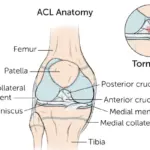
Dr. Vijaykumar performs gold-standard clinical tests such as:
-
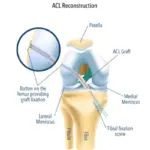
- Lachman Test → ACL integrity
-
- Anterior Drawer Test → Ankle and knee ligament stability
-
- Varus/Valgus Stress Test → Side ligament assessment
-
- Thompson Test → Achilles tendon rupture check
-
- McMurray Test → Meniscus injury detection
-
- Jobe’s Test → Shoulder tendon evaluation
These tests identify structural compromise.
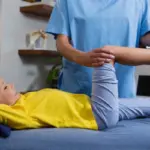
5. Functional Movement Screening
Sports diagnosis also evaluates movement quality through:
-
- Single-leg balance test
-
- Jump-landing mechanics
-
- Squat movement assessment
-
- Shoulder rotation tracking
-
- Pivot and directional control testing
-
- Core stability observation
-
- Foot arch and ankle pronation behavior
-
- Pelvic control during dynamic movement
6. Range of Motion (ROM) Testing
The doctor assesses:
-
- Pain at specific joint angles
-
- Active vs passive movement restriction
-
- Muscle tightness vs ligament instability
-
- End-range stiffness
-
- Joint hypermobility or locking sensation
7. Strength and Resistance Testing
Strength testing determines:
-
- Grade of muscle or tendon injury
-
- Pain during resistance
-
- Muscle compensation patterns
-
- Functional weakness
-
- Fatigue-based instability
8. Neurological Examination (If Nerve Injury Suspected)
When symptoms indicate nerve involvement:
-
- Sensory mapping is performed
-
- Reflex response is checked
-
- Nerve tension tests are applied
-
- Dermatomal numbness is evaluated
-
- Muscle power influenced by neural compression is analyzed
9. Imaging – Only When Needed
Based on clinical suspicion, imaging is prescribed:
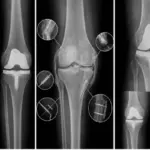
| Imaging | Purpose |
| X-Ray | Fracture or dislocation |
| Ultrasound | Tendon or muscle injury, fluid pockets |
| MRI | Ligament, cartilage, meniscus, labrum, tendon tears |
| CT Scan | Complex bone trauma |
| Doppler | Vascular injury |
MRI is reserved for deeper structural evaluation, not for every injury.
10. Differential Diagnosis – Ruling Out Look-Alike Injuries
A sports injury specialist ensures the injury is not mistaken for similar conditions. For example:
-
- Ankle pain may be ligament tear, fracture, or tendon injury
-
- Knee pain could be meniscus, ligament, cartilage, or muscle strain
-
- Shoulder pain may be instability, tendon tear, or labral injury
Every possibility is carefully analyzed.
Common Injuries Diagnosed by Dr. Vijaykumar D
-
- ACL, PCL, MCL, LCL ligament injuries
-
- Meniscus and cartilage damage
-
- Shoulder instability and rotator cuff tears
-
- Tennis and golfer’s elbow
-
- Achilles tendon rupture or tendinitis
-
- Hamstring, quadriceps, and calf tears
-
- Wrist, hand, and finger sports trauma
-
- Stress fractures in runners and athletes
-
- Plantar fasciitis and foot overuse injuries
-
- Gym-related spine injuries
-
- Hip labral injuries in runners and dancers
Modern Diagnostic Enhancements Used by Sports Experts
-
- High-resolution MRI (1.5T and 3T)
-
- Ultrasound-guided dynamic tissue assessment
-
- Digital gait and motion tracking
-
- Muscle activation pattern evaluation
-
- AI-enabled imaging insights (for interpretation accuracy)
-
- Teleconsultation for early injury mapping
Post-Diagnosis Patient Education
After concluding the diagnosis, Dr. Vijaykumar ensures the patient understands:
-
- What structure is injured
-
- Severity and recovery expectations
-
- Whether surgery is avoidable or required
-
- Rehabilitation pathway
-
- Activity modification
-
- Reinjury prevention strategy
-
- Safe return-to-sport indicators
FAQ’s:
1. How does a sports injury specialist diagnose ligament tears?
Ligament tears are diagnosed using clinical stability tests (Lachman, drawer, stress tests), range-of-motion evaluation, functional movement screening, and confirmed using MRI only when clinically indicated.
2. Do all sports injuries need MRI for diagnosis?
No. MRI is recommended only when deep structural damage is suspected. Many injuries like mild sprains, muscle strains, or inflammation can be diagnosed clinically without MRI.
3. What’s the difference between sports injury and general orthopedic diagnosis?
Sports injury diagnosis includes biomechanics, movement dysfunction, dynamic joint stability, performance limitation, injury cause analysis, and return-to-sport evaluation in addition to structural assessment.
4. When should I see a sports injury specialist after injury?
Seek immediate evaluation if you hear a pop, cannot bear weight, have rapid swelling, joint collapse, visible deformity, or restricted movement. Early diagnosis prevents long-term complications.
5. Can a sports injury specialist detect the root cause, not just symptoms?
Yes. A qualified specialist evaluates posture, gait, muscle imbalance, training load, footwear, surface impact, warm-up patterns, and overuse behavior to identify the true cause and prevent reinjury.