By Dr. Vijaykumar D | Orthopedic & Sports Injury Specialist | AECS Layout, Bangalore
If you or someone you love has suffered a shoulder injury, one of the first questions you’re probably asking is: “How long will the surgery take — and what happens after?”
It’s a completely valid concern. Whether you’re an athlete from Whitefield, a working professional in Brookefield, or an elderly patient who had a fall near AECS Layout, shoulder fractures can disrupt your entire life. Getting the right information early makes a world of difference.
As a specialist offering shoulder fracture surgery in AECS Layout, I’ve treated hundreds of patients with conditions ranging from clavicle fractures to complex proximal humerus fractures. In this guide, I’ll walk you through everything you need to know — the surgery timeline, what affects its duration, recovery expectations, and when you should stop waiting and see a specialist.
Understanding Shoulder Fractures
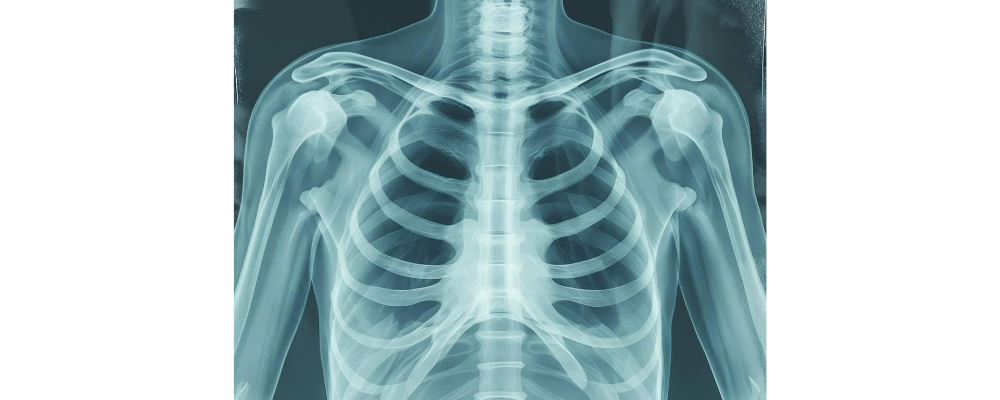
The shoulder is one of the most mobile joints in your body, which also makes it one of the most vulnerable. A shoulder fracture typically involves one of three bones:
- Clavicle (collarbone) — the most commonly broken shoulder bone, often from a fall or sports collision
- Proximal humerus (upper arm bone) — frequently seen in elderly patients after a fall
- Scapula (shoulder blade) — less common, usually from high-impact trauma
Shoulder fractures often come with related injuries like shoulder dislocation, rotator cuff tears, or nerve damage. This is why shoulder fracture treatment in AECS Layout must be comprehensive — it’s not just about fixing the broken bone.
How Long Does Shoulder Fracture Surgery Take?
Most shoulder fracture surgeries take between 1 to 3 hours, depending on the type and complexity of the fracture.
Here’s a quick breakdown:
| Surgery Type | Average Duration | Hospital Stay | Recovery Timeline |
| Clavicle fracture fixation (ORIF) | 1 – 1.5 hours | 1 day | 6 – 10 weeks |
| Proximal humerus fracture repair | 1.5 – 3 hours | 2 – 3 days | 3 – 6 months |
| Shoulder dislocation repair | 1 – 2 hours | 1 – 2 days | 6 – 12 weeks |
| Rotator cuff repair (arthroscopic) | 1.5 – 2.5 hours | Day care / 1 day | 4 – 6 months |
| Shoulder replacement (hemiarthroplasty) | 2 – 3.5 hours | 3 – 5 days | 6 – 12 months |
These are typical ranges. Your actual surgery duration will depend on several factors I’ll explain below.
Factors That Affect Surgery Duration
No two shoulder surgeries are identical. Here are the key factors that influence how long your procedure will take:
1. Type and Severity of the Fracture
A clean, two-part clavicle fracture is far simpler to repair than a comminuted (shattered) proximal humerus fracture. Complex fractures with multiple fragments take longer to stabilise.
2. Approach: Open vs. Arthroscopic
Minimally invasive (arthroscopic) surgeries for conditions like rotator cuff tears are often shorter in incision time but still require precision. Open surgeries for complex fractures take longer but allow better access.
3. Associated Injuries
If your shoulder fracture comes with a shoulder dislocation or rotator cuff tear, both issues may be addressed in a single operation — which adds to the total time but is often better for recovery. Comprehensive shoulder dislocation treatment in AECS Layout often involves addressing the surrounding soft tissue in the same surgical session.
4. Patient Age and Bone Quality
Elderly patients often have weaker, more porous bone (osteoporosis), which requires extra care during fixation. This can extend surgery time.
5. Surgeon’s Experience and Equipment
A highly experienced orthopedic surgeon working with modern equipment can complete complex surgeries efficiently without cutting corners. This is one reason why choosing the best shoulder surgeon in AECS Layout matters enormously for your outcome.
Types of Shoulder Fracture Surgeries
Clavicle Fracture Fixation (ORIF)
Open Reduction and Internal Fixation (ORIF) involves repositioning the broken clavicle fragments and securing them with a metal plate and screws. This is one of the most common shoulder surgeries in Bangalore and is typically performed under general anaesthesia.
Duration: 1 to 1.5 hours Best for: Displaced clavicle fractures, athletes, young adults
Proximal Humerus Fracture Repair
This procedure addresses fractures at the top of the upper arm bone, which is common in falls — especially among patients above 60. Depending on severity, the options include ORIF with plates and screws, intramedullary nailing, or shoulder replacement.
Duration: 1.5 to 3 hours Best for: Elderly patients, complex multi-fragment fractures
As the go-to provider for shoulder fracture treatment in AECS Layout, I assess bone quality and fracture pattern before recommending the best approach for each patient.
Shoulder Dislocation Repair (Bankart Repair / Latarjet)
When the shoulder repeatedly dislocates, surgery may be needed to repair the torn labrum or reconstruct the shoulder socket. Arthroscopic Bankart repair is minimally invasive. The Latarjet procedure is used in more severe cases.
Duration: 1 to 2 hours Best for: Recurrent shoulder dislocation, athletes, young active patients
Comprehensive shoulder dislocation treatment in AECS Layout involves both surgical repair and a structured physiotherapy programme afterward.
Rotator Cuff Repair
The rotator cuff is a group of four muscles and tendons that stabilise your shoulder. A tear — from injury, overuse, or age — can be debilitating. Arthroscopic rotator cuff repair reattaches the torn tendon to the bone using small anchors.
Duration: 1.5 to 2.5 hours Best for: Full or partial rotator cuff tears, sports injury patients
Rotator cuff tear treatment in AECS Layout under experienced hands can restore near-complete shoulder function, especially with disciplined rehabilitation.
Shoulder Replacement (Hemiarthroplasty / Reverse Total Shoulder Replacement)
In severe or irreparable fractures — particularly in elderly patients — replacing the damaged joint may be the best long-term solution. Reverse shoulder replacement is particularly effective when the rotator cuff is also compromised.
Duration: 2 to 3.5 hours Best for: Severe fractures with poor bone quality, older patients, failed prior surgeries
What Happens Before Shoulder Fracture Surgery?
Preparation is just as important as the procedure itself. Here’s what to expect before your shoulder fracture surgery in AECS Layout:
- Clinical Evaluation: Physical examination of the shoulder, arm, and neck to assess nerve and blood vessel involvement
- Imaging: X-rays are standard; CT scans are used for complex fractures; MRI is ordered to evaluate soft tissue injuries like rotator cuff tears
- Pre-anaesthesia Workup: Blood tests, ECG, chest X-ray to ensure you’re fit for surgery
- Fasting: You’ll be asked to fast for 6–8 hours before the procedure
- Medication Review: Blood thinners and certain supplements may need to be paused
- Consent and Counselling: I personally explain the procedure, risks, and expected outcome to every patient before surgery
Step-by-Step Surgical Procedure
While every surgery is different, here’s what a typical shoulder fracture surgery involves:
- Anaesthesia — General anaesthesia or a regional nerve block (or both) is administered
- Positioning — You’re positioned either in a beach-chair position or lying on your side
- Incision — A targeted incision is made over the fracture site (or small portals for arthroscopic surgery)
- Fracture Reduction — Bone fragments are carefully repositioned
- Fixation — Plates, screws, nails, or anchors are used to hold bones in place
- Closure — Layers of tissue are closed with sutures; a drain may be placed
- Dressing and Sling — The shoulder is dressed and immobilised with a sling
Recovery Timeline After Shoulder Fracture Surgery
Recovery from shoulder surgery is a journey, not a single event. Here’s a realistic timeline:
Week 1–2: Pain management, wound care, rest with arm in a sling. Ice packs help reduce swelling.
Week 3–6: Sling is gradually weaned. Gentle pendulum exercises begin. Physiotherapy starts.
Week 6–12: Active-assisted exercises. Range of motion improves. Light daily activities resume.
Month 3–6: Strengthening exercises. Return to office work or light sport.
Month 6–12: Full recovery expected for most patients. Athletes may return to competitive sport.
Recovery from rotator cuff tear treatment in AECS Layout is typically longer (4–6 months) due to the time tendons take to heal and reattach firmly to bone.
Role of Physiotherapy and Rehabilitation
Surgery fixes the structure — physiotherapy restores your function. No shoulder fracture surgery is complete without a dedicated rehabilitation plan.
At our clinic near AECS Layout, your physiotherapy programme typically includes:
- Phase 1 (0–6 weeks): Pain control, passive range of motion, gentle stretches
- Phase 2 (6–12 weeks): Active range of motion, rotator cuff activation exercises
- Phase 3 (12–24 weeks): Progressive strengthening, proprioception training
- Phase 4 (6+ months): Sport-specific or work-specific conditioning
Patients from Whitefield, Brookefield, and across Bangalore who follow a structured physiotherapy plan consistently achieve better outcomes and return to daily life faster.
Risks of Delaying Shoulder Fracture Treatment
Many patients in AECS Layout and Whitefield try to “wait and see” with shoulder pain — hoping it will resolve on its own. Delaying treatment for a fracture can lead to:
- Malunion — bones heal in a displaced position, causing chronic pain and deformity
- Nonunion — bones fail to heal at all, requiring more complex revision surgery
- Avascular necrosis — disrupted blood supply causes the bone to die
- Stiffness and frozen shoulder — prolonged immobility without treatment leads to severe loss of movement
- Rotator cuff damage — an untreated fracture can impinge on and eventually tear the rotator cuff tendons
- Nerve damage — worsens over time if pressure isn’t relieved
The sooner you seek shoulder fracture treatment in AECS Layout, the better your long-term outcome.
When to Consult a Shoulder Specialist
See a shoulder specialist immediately if you experience:
- Severe shoulder pain after a fall, accident, or sports injury
- Visible deformity or swelling around the shoulder
- Inability to raise your arm or move the shoulder
- Numbness or tingling down the arm
- A “pop” or “crunch” sensation at the time of injury
- Shoulder that appears to be “out of place”
Don’t rely on a general practitioner alone for shoulder fractures. Seek a specialist offering shoulder fracture treatment in AECS Layout who can accurately diagnose and treat your specific injury.
Why Choose Dr. Vijaykumar D in AECS Layout, Bangalore?
Patients across AECS Layout, Whitefield, Brookefield, and greater Bangalore choose Dr. Vijaykumar D for shoulder care because of:
- Specialised expertise in shoulder fractures, dislocations, and rotator cuff injuries
- Arthroscopic and open surgical skills for minimally invasive to complex reconstructions
- Personalised care — every treatment plan is tailored to the patient’s age, activity level, and goals
- High surgical success rates in clavicle fracture surgery, proximal humerus repair, and rotator cuff tear treatment in AECS Layout
- Comprehensive rehabilitation support with integrated physiotherapy
- Transparent, patient-first communication — you’ll always know what to expect before, during, and after your surgery
As the best shoulder surgeon in AECS Layout, Dr. Vijaykumar D combines clinical excellence with genuine compassion for every patient.
Conclusion
Shoulder fracture surgery duration ranges from 1 to 3.5 hours depending on the complexity of your injury and the procedure required. Whether you need a simple clavicle fracture fixation, a proximal humerus fracture repair, shoulder dislocation treatment in AECS Layout, or rotator cuff tear treatment in AECS Layout, the most important step is getting an accurate diagnosis early.
Delaying care never helps — it only makes recovery harder and longer. If you’re in AECS Layout, Whitefield, Brookefield, or anywhere in Bangalore, expert help is close by.
Book your consultation with Dr. Vijaykumar D today and take the first step toward a pain-free shoulder.
📞 CALL TO ACTION
Don’t Let a Shoulder Fracture Hold You Back — Consult Dr. Vijaykumar D Today
Shoulder injuries don’t improve with wishful thinking. Whether you’ve had a sudden fall, a sports collision, or you’ve been carrying shoulder pain for weeks, the right time to act is now.
Dr. Vijaykumar D, the best shoulder surgeon in AECS Layout, offers expert evaluation and personalised treatment for:
✅ Shoulder fracture surgery in AECS Layout ✅ Clavicle and proximal humerus fracture repair ✅ Shoulder dislocation treatment in AECS Layout ✅ Rotator cuff tear treatment in AECS Layout ✅ Post-surgery physiotherapy and rehabilitation
📍 Location: Dr. Vijay Ortho Clinic, AECS Layout, Bangalore 📞 Call Us: +91 8904954498🌐 Book Online: www.drvijayortho.com“Early treatment means faster recovery. Don’t delay — your shoulder deserves the best care.” — Dr. Vijaykumar D, Orthopedic & Sports Injury Specialist
Frequently Asked Questions :
How long does shoulder fracture surgery take?
Most shoulder fracture surgeries take between 1 and 3 hours. Simple clavicle fracture fixation can often be completed within 1 to 1.5 hours, while complex proximal humerus fracture repairs or shoulder replacement surgeries may take up to 3 to 3.5 hours.
What affects the duration of shoulder fracture surgery?
The duration depends on several factors, including:
- Type and severity of the fracture
- Open surgery vs arthroscopic procedure
- Presence of shoulder dislocation or rotator cuff tear
- Patient age and bone quality
- Complexity of reconstruction required
- Surgeon expertise and surgical planning
How long is recovery after shoulder fracture surgery?
Recovery depends on the type of injury and surgery performed.
- Clavicle fracture recovery: approximately 6–10 weeks
- Rotator cuff or proximal humerus repair: 3–6 months
- Shoulder replacement recovery: 6–12 months for full function
Physiotherapy and rehabilitation play a major role in achieving the best long-term outcome.
Is shoulder fracture surgery done under general anaesthesia?
Yes. Most shoulder fracture surgeries are performed under general anaesthesia, sometimes combined with a regional nerve block (interscalene block) for improved pain control after surgery. Your anaesthetist will recommend the safest and most appropriate option based on your overall health condition.
Can I avoid surgery for a shoulder fracture?
Some minimally displaced fractures may heal successfully with non-surgical treatment such as sling support, medication, and physiotherapy. However, displaced fractures, fractures involving multiple fragments, or injuries associated with rotator cuff tears or dislocation often require surgery for proper healing and restoration of shoulder function.
Where can I get the best shoulder fracture surgery in AECS Layout?
Dr. Vijaykumar D is a leading orthopedic and sports injury specialist offering shoulder fracture surgery in AECS Layout, Bangalore. He specialises in treating clavicle fractures, proximal humerus fractures, shoulder instability, and sports shoulder injuries using advanced surgical techniques and personalised rehabilitation plans.
How soon should I see a doctor after a shoulder injury?
You should consult an orthopedic specialist within 24 to 48 hours after a significant shoulder injury. Seek emergency medical care immediately if you experience severe pain, visible deformity, inability to move the arm, numbness, or swelling.
What is the difference between shoulder dislocation and shoulder fracture?
A shoulder fracture refers to a break in one or more bones around the shoulder joint, such as the clavicle or humerus.
A shoulder dislocation occurs when the head of the humerus moves out of the shoulder socket. In some injuries, both conditions can happen together, requiring detailed orthopedic evaluation and imaging.
Is physiotherapy necessary after shoulder surgery?
Yes. Physiotherapy is essential after shoulder fracture surgery. Rehabilitation helps restore flexibility, rebuild muscle strength, improve joint mobility, and reduce stiffness. Patients who skip physiotherapy have a significantly higher risk of long-term pain, weakness, and limited shoulder movement.
Does Dr. Vijaykumar D treat sports-related shoulder injuries?
Yes. Dr. Vijaykumar D specialises in sports shoulder injuries, including rotator cuff tears, shoulder instability, labral tears, AC joint injuries, and recurrent shoulder dislocations. He treats athletes and active individuals from AECS Layout, Whitefield, Brookefield, and across Bangalore.