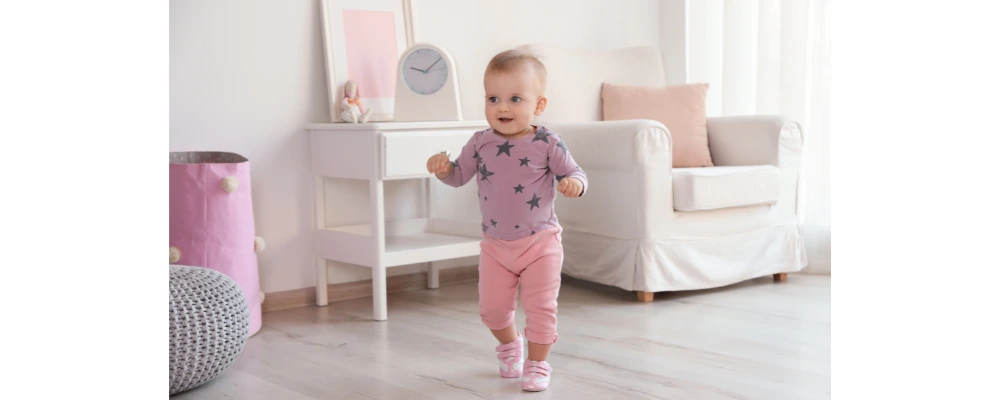
Every parent remembers the excitement of watching their child take those first wobbly steps. But what happens when those steps never quite smooth out — when your toddler keeps walking on their toes, turning their feet inward, or limping after playtime? These small details often go unnoticed, yet they can be early signals of a treatable musculoskeletal condition. If you are searching for the Best Paediatric Orthopaedic Bangalore has to offer, understanding these warning signs is the first step toward giving your child a confident, pain-free stride.
This guide explains what a normal walking pattern looks like, the most common child walking problems, and when it’s time to consult a Paediatric Orthopaedic Specialist in Bangalore like Dr. Vijaykumar D.
What Is a Normal Walking Pattern in Children?
Children develop walking skills in stages. Most babies take their first independent steps between 9 and 15 months, but a “mature,” adult-like gait — with a heel-to-toe stride, coordinated arm swing, and steady balance — usually develops by ages 3 to 4.
Key takeaway: A degree of unsteadiness, occasional toe walking, or slightly turned-in feet is normal in toddlers and often self-corrects with growth. However, patterns that persist beyond age 3–4, or that appear suddenly with pain, need evaluation.
When Should Parents Be Concerned About Their Child’s Walking?
Parents should be watchful — not alarmed — when it comes to abnormal walking in children. A brief phase of clumsiness is common, but certain patterns warrant a professional gait assessment.
You should pay closer attention if your child:
- Walks on their toes consistently after age 2
- Limps, especially after rest or in the morning
- Falls frequently compared to peers of the same age
- Complains of leg, hip, or foot pain
- Has one leg that appears shorter than the other
- Shows asymmetry — one side of the body moves differently from the other
Common Walking Problems in Children
Understanding the specific type of pediatric gait abnormalities your child shows helps guide the right treatment path.
Toe Walking
Toe walking in children refers to walking on the balls of the feet without the heels touching the ground. It’s common in toddlers learning to walk, but persistent toe walking past age 2–3 may indicate tight calf muscles, a neurological condition, or sensory processing differences.
In-Toeing
In-toeing (commonly called “pigeon-toed” walking) happens when the feet point inward while walking. It usually originates from the hip, shin bone (tibia), or foot, and most cases improve naturally by age 8 without treatment.
Out-Toeing
Out-toeing is the opposite pattern, where the feet point outward. It is less common than in-toeing and, if persistent, may need a more detailed hip and rotational assessment.
Limping
Child limping should never be ignored, especially if it appears suddenly. Causes range from minor injuries and growing pains to more serious issues like infection, hip disorders, or juvenile arthritis.
Bow Legs
Bow legs (genu varum) cause the knees to stay apart while the ankles touch when standing. This is normal in infants and toddlers under 2 but should be evaluated if it worsens or persists beyond age 3.
Knock Knees
Knock knees (genu valgum) is when the knees angle inward and touch while the ankles remain apart. It is common between ages 3 and 6 and typically self-corrects, but severe or one-sided cases need assessment.
Flat Feet
Flat feet in children — where the arch of the foot appears low or absent — are extremely common in toddlers and usually painless. Persistent, painful, or rigid flat feet after age 6 may require intervention.
Uneven Leg Length
A noticeable difference in leg length can alter gait, posture, and long-term spinal alignment if left unaddressed, making early diagnosis important.
Hip Disorders Affecting Walking
Conditions such as developmental dysplasia of the hip, Perthes disease, and slipped capital femoral epiphysis can all cause limping, waddling gaits, or leg-length differences and require prompt orthopedic care.
What Causes Walking Abnormalities in Children?
Walking abnormalities in toddlers and older children can stem from several factors, including:
- Normal developmental variation (most common, especially under age 3)
- Muscle tightness or imbalance
- Child foot deformity, including clubfoot
- Neuromuscular conditions such as cerebral palsy walking problems
- Hip joint disorders, including hip disorders in children
- Injuries, fractures, or infections
- Genetic or congenital bone and joint disorders in children
Warning Signs That Need Immediate Orthopedic Evaluation
Seek prompt child orthopedic evaluation if your child shows:
- Sudden inability to bear weight on one leg
- Fever combined with limping or joint swelling
- Severe pain that disrupts sleep or daily activities
- Visible deformity after a fall or injury
- Progressive worsening of a walking pattern rather than improvement
- Walking abnormality persisting well beyond the expected age range
How a Paediatric Orthopaedic Doctor Diagnoses Walking Problems
A thorough gait assessment for children typically includes:
- Detailed birth, developmental, and family history
- Physical examination of hips, knees, ankles, and spine
- Observation of the child’s natural walking pattern
- Imaging such as X-rays, ultrasound, or MRI when needed
- Neurological screening if a nerve or muscle condition is suspected
Early, accurate diagnosis is central to effective pediatric orthopedic care, and this stepwise approach helps rule out serious causes while avoiding unnecessary tests.
Treatment Options for Walking Disorders
Observation and Monitoring
Many conditions, such as mild in-toeing or flexible flat feet, simply need periodic monitoring as the child grows.
Physiotherapy
Targeted exercises improve muscle strength, flexibility, and coordination — often effective for toe walking, mild bow legs, and balance-related gait issues.
Bracing and Orthotics
Custom shoe inserts, night splints, or braces help guide bone alignment and support the foot arch during growth.
Medications
Used selectively to manage pain, inflammation, or underlying conditions like juvenile arthritis contributing to limping.
Surgical Treatment (When Needed)
Surgery is reserved for structural deformities, significant leg-length differences, or conditions like clubfoot and hip dysplasia that don’t respond to conservative care.
Can Walking Problems Correct Themselves?
Yes — many childhood walking variations, including mild in-toeing, bow legs, and flat feet, improve naturally as bones and muscles mature. However, self-correction depends on the underlying cause, so professional evaluation helps confirm whether watchful waiting is appropriate or intervention is needed.
How Early Diagnosis Improves Outcomes
Early early orthopedic treatment can prevent minor issues from becoming long-term mobility, posture, or joint problems. Timely diagnosis:
- Reduces the likelihood of compensatory postural issues
- Improves the success rate of non-surgical treatments
- Minimizes the need for invasive procedures later
- Supports normal participation in sports and physical activity
Tips for Parents to Support Healthy Walking Development
- Encourage barefoot play on safe, flat surfaces to build natural foot strength
- Choose supportive, well-fitted footwear rather than overly rigid shoes
- Track developmental milestones and note any regression
- Avoid excessive use of walkers, which can affect natural gait development
- Maintain a healthy weight, as excess weight can strain developing joints
When Should You Visit Dr. Vijaykumar D?
Consider scheduling a consultation if your child’s walking pattern persists beyond the expected age, worsens over time, is accompanied by pain or swelling, or simply leaves you feeling uncertain. Trusting your instincts as a parent and seeking a professional child orthopedic evaluation early is always the safer choice.
Why Choose Dr. Vijaykumar D for Pediatric Orthopedic Care in Bangalore
Dr. Vijaykumar D is a dedicated Paediatric Orthopaedic Specialist in Bangalore with focused experience in diagnosing and managing childhood musculoskeletal and gait disorders. Parents across Bangalore choose Dr. Vijaykumar D because of:
- Extensive experience in pediatric orthopedic care, from routine gait variations to complex hip and limb conditions
- Diagnostic protocols aligned with international pediatric orthopedic guidelines
- A gentle, child-friendly approach that puts young patients at ease
- Personalized treatment plans tailored to each child’s growth stage and condition
- Comprehensive follow-up care to track progress through key developmental milestones
- A reputation as the Best Paediatric Orthopaedic Doctor in Bangalore among families seeking evidence-based, compassionate care
Conclusion
Not every unusual step your child takes is cause for alarm, but persistent limping, toe walking, or leg misalignment deserves a closer look. As the Best Paediatric Orthopaedic Bangalore families rely on, Dr. Vijaykumar D offers accurate diagnosis, honest guidance, and treatment plans designed around your child’s long-term mobility and comfort. If something about your child’s walk doesn’t look right, don’t wait — early evaluation makes all the difference.
Frequently Aksed Questions:
What is considered abnormal walking in a child?
Abnormal walking includes persistent limping, toe walking beyond age 2–3, in-toeing or out-toeing beyond expected developmental ages, or noticeable asymmetry between the two legs.
Is it normal for toddlers to walk on their toes?
Yes, occasional toe walking is common while children are learning to walk. However, if it continues consistently after age 2–3, it should be evaluated by a paediatric orthopaedic specialist.
What causes a child to limp suddenly?
Sudden limping can be caused by minor injuries, infections, hip disorders, or juvenile arthritis. Prompt medical evaluation is recommended, especially if it is associated with fever, swelling, or severe pain.
Do flat feet in children need treatment?
Most children have flexible, painless flat feet that do not require treatment. Painful, rigid, or persistent flat feet after age 6 may require orthotics or further evaluation by a specialist.
At what age do bow legs and knock knees resolve?
Bow legs usually straighten naturally by age 2–3, while knock knees commonly improve by age 6–7 as part of normal growth and development.
When should I take my child to a pediatric orthopedic doctor?
You should consult a paediatric orthopaedic specialist if walking abnormalities persist beyond expected ages, cause pain or swelling, or appear suddenly without an obvious reason.
Can in-toeing or out-toeing be corrected without surgery?
Yes. Most cases of in-toeing and out-toeing improve naturally as children grow and only require regular monitoring. Surgery is rarely necessary.
Is developmental dysplasia of the hip serious?
Yes. Developmental dysplasia of the hip can affect walking and long-term joint health if left untreated. Early diagnosis and appropriate treatment are important for the best outcomes.
How is clubfoot treated in children?
Clubfoot is most commonly treated using the Ponseti method, which involves gentle serial casting followed by bracing. Surgery is reserved for cases that do not respond adequately to conservative treatment.
Can cerebral palsy affect a child's walking pattern?
Yes. Children with cerebral palsy may develop walking difficulties due to muscle stiffness, weakness, or coordination problems. Treatment may include physiotherapy, bracing, medications, and, in some cases, surgery.
Book Appointment:
Don’t wait to get answers about your child’s walking. If you’ve noticed limping, toe walking, in-toeing, or any unusual gait pattern, early evaluation can make all the difference in your child’s long-term mobility and comfort. Dr. Vijaykumar D, recognized as the Best Paediatric Orthopaedic Doctor in Bangalore, offers thorough, child-friendly evaluations and personalized treatment plans for every stage of growth.
As the Best Paediatric Orthopaedic Bangalore parents trust, and a leading Paediatric Orthopaedic Specialist in Bangalore, Dr. Vijaykumar D is here to guide you with honest, evidence-based care.
Book a consultation with Dr. Vijaykumar D today and take the first step toward your child’s healthy, confident walk.