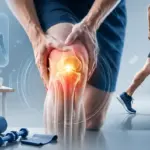
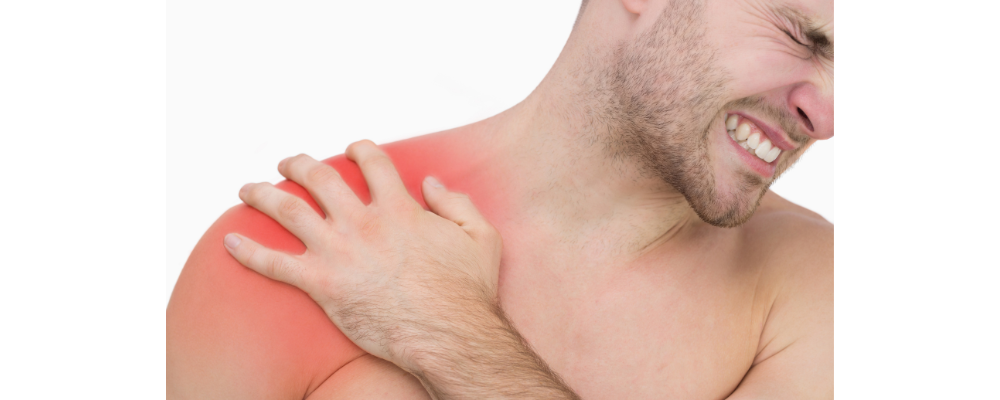
Shoulder pain is one of the most disabling conditions a person can experience. Whether you have woken up with a stiff, aching shoulder, suffered a sports injury on the cricket ground, or felt a sharp pop while lifting at the gym — the impact on your daily life can be enormous. Simple tasks like combing your hair, reaching a shelf, or even sleeping comfortably can become a struggle.
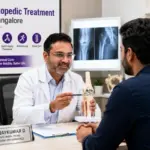
The good news is that advanced orthopaedic care is now available close to home. Patients across CV Raman Nagar, Indiranagar, Baiyappanahalli, KR Puram, Mahadevapura, Brookefield, and Marathahalli no longer need to travel across the city for world-class shoulder treatment. A specialist shoulder surgeon in CV Raman Nagar can diagnose your condition accurately and recommend the right treatment — from physiotherapy to minimally invasive arthroscopic surgery.
This guide covers everything you need to know about shoulder conditions, treatment options, and how to choose the best shoulder surgeon near you.
Common Shoulder Conditions Treated
1. Shoulder Pain
Shoulder pain can stem from a wide variety of causes — muscle strain, tendon inflammation, nerve compression, or joint degeneration. Regardless of the origin, persistent or worsening shoulder pain should always be evaluated by a shoulder specialist. Ignoring it can lead to chronic dysfunction and loss of movement.
2. Shoulder Dislocation
A shoulder dislocation occurs when the ball of the upper arm bone (humerus) pops out of the shoulder socket (glenoid). It is one of the most commonly dislocated joints in the body. Athletes and young adults are particularly vulnerable. Recurrent dislocations indicate shoulder instability and may require surgical correction.
3. Rotator Cuff Tear
The rotator cuff is a group of four muscles and tendons that stabilize the shoulder joint. A rotator cuff tear — whether partial or complete — is a leading cause of shoulder pain, especially after the age of 40. Sports activities, heavy lifting, and repetitive overhead movements are common triggers. Rotator cuff repair surgery is often required for complete tears to restore full function.
4. Sports Shoulder Injuries
Athletes in cricket, badminton, swimming, and weightlifting frequently experience shoulder injuries. These range from rotator cuff strains and AC joint sprains to labral tears and SLAP lesions. A sports injury doctor with expertise in shoulder arthroscopy can provide targeted, sport-specific treatment to get you back in the game faster.
5. Shoulder Fractures
Fractures around the shoulder — including clavicle (collarbone) fractures and proximal humerus fractures — commonly result from road accidents, falls, and contact sports. Surgical fixation using plates and screws may be required depending on the severity and displacement of the fracture.
6. Frozen Shoulder (Adhesive Capsulitis)
Frozen shoulder is a condition where the shoulder joint capsule becomes inflamed and thickened, severely restricting movement. It typically develops in three phases — freezing, frozen, and thawing — and can last 1–3 years if untreated. Frozen shoulder treatment includes physiotherapy, corticosteroid injections, and in resistant cases, arthroscopic capsular release.
7. Shoulder Instability
Shoulder instability refers to a feeling of looseness or the shoulder ‘giving way’ during activities. It is often caused by ligament laxity, prior dislocations, or structural damage like a Bankart lesion or Hill-Sachs deformity. Shoulder instability treatment may involve arthroscopic stabilization surgery to restore the joint’s integrity.
Symptoms That Need Immediate Shoulder Specialist Consultation
Do not delay seeing a shoulder specialist if you experience any of the following:
• Sudden, severe shoulder pain after an injury or fall
• Visible deformity or a ‘bump’ on the shoulder or collarbone
• Complete inability to lift or rotate your arm
• Shoulder pain that does not improve after 1–2 weeks of rest
• Recurrent shoulder dislocations or a feeling of the shoulder ‘slipping out’
• Night pain that disturbs your sleep
• Weakness in the arm combined with shoulder pain
• Numbness, tingling, or swelling around the shoulder joint
• Pain that worsens with overhead activities like throwing or swimming
Shoulder Pain Treatment in CV Raman Nagar
If you are searching for the best treatment for shoulder pain near CV Raman Nagar, you will be glad to know that a full spectrum of diagnostic and therapeutic options is available locally.
Diagnosis
Accurate diagnosis is the first and most critical step. Your shoulder specialist will begin with a thorough clinical examination, followed by imaging studies such as X-rays, ultrasound, or MRI scans. MRI is particularly valuable for assessing soft tissue structures like the rotator cuff, labrum, and ligaments.
Physiotherapy
For many shoulder conditions — including mild rotator cuff tears, frozen shoulder, and post-operative recovery — shoulder physiotherapy is the cornerstone of treatment. A structured rehabilitation programme improves strength, flexibility, and range of motion.
Medications
Anti-inflammatory medications (NSAIDs) are commonly prescribed to manage pain and swelling. These are typically short-term measures and are combined with physiotherapy for better outcomes.
Corticosteroid Injections
For conditions like frozen shoulder, subacromial impingement, and bursitis, targeted corticosteroid injections can provide significant relief. These are administered under image guidance for precision.
Shoulder Arthroscopy
Arthroscopic shoulder surgery is a minimally invasive procedure in which a small camera (arthroscope) is inserted into the joint through tiny incisions. It allows the surgeon to visualize, diagnose, and treat a range of conditions — from rotator cuff tears to labral damage — without large open incisions, resulting in faster recovery and less post-operative pain.
Rehabilitation
Whether you undergo surgery or conservative treatment, shoulder rehabilitation is an essential phase. A dedicated physiotherapy team will guide you through progressive exercises to restore full function and prevent re-injury.
Shoulder Dislocation Treatment in CV Raman Nagar
When is surgery needed for shoulder dislocation? This is one of the most frequently asked questions by patients who have experienced a shoulder dislocation. The answer depends on the frequency of dislocations and the extent of structural damage.
A first-time shoulder dislocation is treated with reduction (putting the joint back in place), immobilization, and physiotherapy. However, patients who experience recurrent dislocations — especially younger, active individuals — often develop a Bankart lesion (tear of the labrum) that prevents the joint from stabilizing itself.
In these cases, arthroscopic Bankart repair is the gold-standard surgical option. This minimally invasive procedure reattaches the torn labrum to the glenoid rim using small anchors, restoring the shoulder’s natural stability. Most patients can return to sports within 4–6 months after surgery.
If you live near Baiyappanahalli, KR Puram, or Brookefield and are suffering from recurrent shoulder instability, a consultation with the best surgeon for shoulder dislocation in CV Raman Nagar is your next step.
Rotator Cuff Tear Treatment and Repair Surgery
A rotator cuff tear is graded as partial or complete, and treatment varies accordingly.
Partial Tears
Partial rotator cuff tears — where the tendon is damaged but not fully ruptured — are often managed non-surgically with physiotherapy, anti-inflammatory medications, and platelet-rich plasma (PRP) injections. Regular monitoring with MRI is important to ensure the tear does not progress.
Complete Tears
A complete rotator cuff tear involves full-thickness disruption of the tendon. This almost always requires surgical repair to restore strength and function. The best rotator cuff surgeon in CV Raman Nagar will perform an arthroscopic rotator cuff repair — reattaching the torn tendon to the bone using specialized anchors through small keyhole incisions.
MRI Diagnosis
MRI scan is the most accurate tool for diagnosing rotator cuff tears. It provides detailed information about the size of the tear, tendon quality, and the degree of muscle atrophy — all of which influence the surgical plan.
Recovery Timeline
How long does rotator cuff surgery recovery take? Most patients follow this general timeline:
• Weeks 1–6: Arm in a sling; gentle range-of-motion exercises
• Weeks 6–12: Progressive strengthening with physiotherapy
• Months 3–6: Return to light activities and sport-specific training
• Months 6–9: Full return to sports or strenuous work
Following a structured shoulder physiotherapy programme after surgery is critical for achieving the best possible outcome.
Sports Shoulder Injury Treatment in CV Raman Nagar
CV Raman Nagar and surrounding areas like Marathahalli and Mahadevapura have a large population of active sports enthusiasts and gym-goers. Sports shoulder injuries are among the most common orthopaedic presentations seen in this region.
Gym Injuries
Heavy bench pressing, overhead pressing, and pull-ups are frequent culprits behind rotator cuff strains, AC joint injuries, and labral tears in gym athletes. Early assessment by a sports medicine specialist prevents minor injuries from becoming chronic conditions.
Cricket Injuries
Bowlers and fielders are particularly prone to shoulder stress due to the repetitive overhead throwing motion. Conditions like SLAP tears (Superior Labrum Anterior to Posterior), rotator cuff tendinopathy, and shoulder impingement are commonly seen in cricket players.
Badminton Injuries
The high-velocity smashing and serving actions in badminton subject the shoulder to significant repetitive loads. Rotator cuff inflammation, shoulder impingement, and AC joint pain are typical badminton-related shoulder problems.
Overhead Athletes
Swimmers, javelin throwers, and volleyball players — all overhead athletes — are at elevated risk of shoulder instability, rotator cuff tears, and labral injuries. Tailored sports injury treatment combining arthroscopy and sport-specific rehabilitation delivers the best results for returning these athletes to peak performance.
Shoulder Fracture Treatment in CV Raman Nagar
Shoulder fractures most commonly involve the clavicle (collarbone) or the proximal humerus (upper arm bone near the shoulder joint). They typically result from road traffic accidents, falls, or high-impact sports.
Clavicle Fracture
Clavicle fractures are among the most common fractures seen in orthopaedic trauma care. Many undisplaced fractures heal well with a sling and physiotherapy. However, significantly displaced or shortened clavicle fractures benefit from surgical fixation using a plate and screws, which restores alignment and accelerates recovery.
Proximal Humerus Fracture
These fractures can be complex, especially in elderly patients with osteoporotic bone. Treatment depends on the fracture pattern and the patient’s overall health and activity level. Options include conservative management with a sling, open reduction and internal fixation (ORIF), or in severe cases, shoulder replacement surgery (hemiarthroplasty).
If you need the best surgeon for shoulder fracture in CV Raman Nagar, look for a specialist with expertise in trauma care who can assess your fracture with up-to-date imaging and recommend the most appropriate management.
Why Choose the Best Shoulder Surgeon in CV Raman Nagar?
When searching for ‘who is the best shoulder surgeon in CV Raman Nagar?’ or ‘where can I get rotator cuff surgery in CV Raman Nagar?’, patients should consider these key factors:
• Experience & Specialization: Choose an orthopaedic shoulder surgeon with dedicated training and extensive experience in shoulder conditions — not just a general orthopaedic surgeon.
• Advanced Arthroscopic Skills: The ability to perform complex shoulder arthroscopy and minimally invasive surgery leads to better outcomes, smaller scars, and faster recovery.
• Personalized Treatment Plans: Every patient is different. The best shoulder surgeons take time to understand your lifestyle, activity levels, and goals before recommending a treatment plan.
• Comprehensive Rehabilitation Support: Surgery is only half the journey. Access to in-house shoulder physiotherapy and a structured rehabilitation programme is essential for full recovery.
• Transparent Communication: A good specialist will explain your diagnosis clearly, answer your questions honestly, and discuss realistic expectations — including how much shoulder dislocation treatment costs in Bangalore.
• Accessible Location: Choosing a specialist near CV Raman Nagar means convenient access for follow-up appointments, physiotherapy, and emergencies — without long commutes across Bangalore.
Advanced Shoulder Procedures Available
Our shoulder specialist offers a comprehensive range of surgical and non-surgical procedures:
| Procedure | Description | Recovery Time |
| Shoulder Arthroscopy | Minimally invasive keyhole surgery using a camera | 4–8 weeks |
| Rotator Cuff Repair | Surgical repair of torn tendons | 3–6 months |
| Bankart Repair | Arthroscopic stabilization for recurrent dislocations | 4–6 months |
| Shoulder Fracture Fixation | Plates/screws for clavicle & proximal humerus | 3–4 months |
| Ligament Repair | Repair of damaged shoulder ligaments | 6–12 weeks |
| Revision Surgery | Re-do surgery after failed previous repair | 3–6 months |
All surgical procedures use the latest arthroscopic and minimally invasive techniques, ensuring smaller incisions, reduced blood loss, and faster return to function.
Frequently Asked Questions
Q: What is the best treatment for shoulder pain?
A: The best treatment depends on the underlying cause. Mild pain from muscle strain or inflammation responds well to rest, physiotherapy, and anti-inflammatory medications. Structural problems like rotator cuff tears, Bankart lesions, or fractures often require surgical intervention. An accurate diagnosis by a shoulder specialist is the essential first step.
Q: How long does rotator cuff surgery recovery take?
A: Most patients wear a sling for 4–6 weeks after rotator cuff repair surgery, followed by physiotherapy for 3–6 months. Full return to sports or heavy work typically occurs at 6–9 months. Outcomes are significantly improved when patients follow their rehabilitation programme diligently.
Q: Is shoulder arthroscopy painful?
A: Shoulder arthroscopy is performed under general or regional anaesthesia, so you will not feel pain during the procedure. Post-operatively, there is some discomfort for the first few days, which is well-managed with prescribed pain relief. Most patients find recovery from arthroscopy significantly less painful than traditional open surgery.
Q: When is surgery needed for shoulder dislocation?
A: Surgery is recommended when a patient experiences recurrent shoulder dislocations (typically 2 or more), has significant ligament or labral damage (Bankart lesion), or is a young active individual with high re-dislocation risk. Arthroscopic Bankart repair is the preferred surgical option.
Q: Who is the best rotator cuff surgeon in CV Raman Nagar?
A: The best rotator cuff surgeon in CV Raman Nagar is one who has specialized training in shoulder surgery, extensive experience with arthroscopic rotator cuff repairs, and a track record of excellent patient outcomes. Look for a surgeon who offers personalized care and has access to advanced imaging and rehabilitation facilities.
Q: How much does shoulder dislocation treatment cost in Bangalore?
A: The cost varies depending on whether treatment is conservative (physiotherapy and bracing) or surgical (arthroscopic Bankart repair). Conservative treatment is relatively affordable. Surgical costs in Bangalore typically range from ₹80,000 to ₹2,50,000 depending on the hospital, surgeon, and implants used. Many insurance plans cover shoulder surgery — consult our team for a detailed estimate.
Q: When should I see a shoulder specialist?
A: You should see a shoulder specialist if you have pain lasting more than 1–2 weeks without improvement, a visible deformity or swelling, inability to lift your arm, recurrent dislocations, or a shoulder injury from sports or a fall. Early evaluation prevents minor issues from becoming serious conditions.
Q: Can frozen shoulder be treated without surgery?
A: Yes, the majority of frozen shoulder cases resolve with physiotherapy, corticosteroid injections, and hydro-dilatation (joint distension). For resistant cases that do not respond after 6–9 months, arthroscopic capsular release is a highly effective surgical option.
Q: What is minimally invasive shoulder surgery?
A: Minimally invasive shoulder surgery — most commonly shoulder arthroscopy — uses small keyhole incisions and a tiny camera to diagnose and treat shoulder conditions. It results in less tissue damage, smaller scars, lower infection risk, and faster recovery compared to traditional open surgery.
Q: Are sports shoulder injuries common in Bangalore?
A: Yes. With a large population of cricket players, badminton enthusiasts, gym-goers, and young professionals in areas like CV Raman Nagar, Indiranagar, and Marathahalli, sports shoulder injuries are extremely common. A sports medicine specialist with shoulder expertise is well-equipped to manage these injuries comprehensively.
Book Consultation for Shoulder Treatment in CV Raman Nagar
Living with shoulder pain, restricted movement, or the fear of a recurring dislocation should not be your normal. You deserve expert care, a precise diagnosis, and a treatment plan tailored specifically to your needs.
Whether you are an athlete from Marathahalli looking to get back in the game, a professional from Brookefield struggling with a frozen shoulder, or a senior resident from KR Puram recovering from a shoulder fracture — our orthopaedic shoulder surgeon in CV Raman Nagar is here to help you regain full function and quality of life.
Do not wait for the pain to become unbearable. Early treatment leads to better outcomes, shorter recovery times, and a higher chance of returning to full activity.
📞 Call Now to Book Your Appointment
Serving patients from CV Raman Nagar, Indiranagar, Baiyappanahalli, KR Puram, Mahadevapura, Brookefield, and Marathahalli.
✅ Same-week appointments available | ✅ Expert shoulder surgeon | ✅ Advanced arthroscopic facilities