Finding the best orthopedic doctor in Bangalore can feel overwhelming, especially when you are already dealing with pain, limited mobility, or a recent injury. Bangalore’s rapid growth — from Whitefield and Marathahalli to Sarjapur Road, Koramangala, and Electronic City — has brought with it a rising demand for high-quality musculoskeletal care. Yet not all orthopedic practices are the same in terms of technology, subspecialty expertise, or surgical outcomes.
This guide is written for patients and families who want to make an informed decision — not just pick a name from a search result. Whether you need robotic knee replacement surgery, expert care for a sports injury, or a second opinion on a complex fracture, the information here will help you ask the right questions, understand your options, and find a surgeon whose skills match your needs.
Why Choosing the Right Orthopedic Doctor in Bangalore Matters
Orthopedic conditions range from everyday back pain to complex spinal deformities and multi-ligament knee injuries. An incorrect diagnosis, delayed treatment, or a mismatch between your condition and your surgeon’s expertise can add months — sometimes years — to your recovery. In a city as medically competitive as Bangalore, the presence of many “orthopedic doctors” does not automatically mean all of them are the right fit for every condition.
The best orthopedic doctor in Bangalore for you is one who:
- Has demonstrable subspecialty training aligned with your diagnosis
- Uses evidence-based treatment protocols, not one-size-fits-all approaches
- Offers access to modern surgical technology (including robotics where appropriate)
- Communicates clearly, respects your time, and treats you as a partner in care
- Has a verifiable track record of outcomes in procedures similar to yours
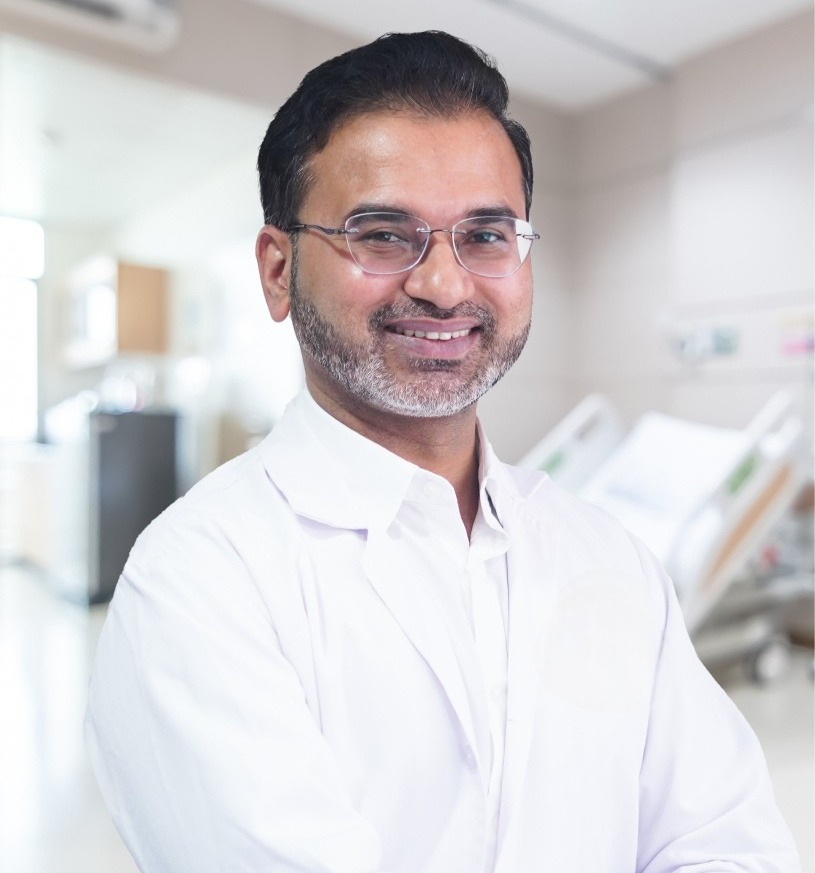
Dr. Vijaykumar D embodies all of these qualities. With extensive clinical experience spanning joint replacement, sports medicine, trauma, and paediatric orthopaedics, he has established a reputation across Bangalore — from patients in Bellandur and HSR Layout to those travelling from Indiranagar and Varthur — as a surgeon who combines technical precision with genuine patient-centered care.
What Conditions Do Orthopedic Doctors Treat?
Orthopedic doctors treat conditions affecting bones, joints, muscles, tendons, ligaments, and nerves. Common conditions include arthritis, fractures, sports injuries (including ACL tears), scoliosis, joint degeneration, tendon ruptures, and developmental bone disorders in children.
The full scope is broader than most patients realise:
Joint Conditions: Osteoarthritis of the knee, hip, and shoulder; rheumatoid arthritis affecting joints; avascular necrosis; joint instability.
Sports Injuries: ACL and PCL tears, meniscal injuries, rotator cuff tears, tennis elbow, stress fractures, cartilage damage, and ankle sprains requiring surgical intervention.
Trauma & Fractures: Peri-articular fractures, polytrauma, open fractures, non-union and malunion of bones. Best trauma care increasingly depends on surgeons who can handle both acute emergencies and complex reconstructions.
Spine Conditions: Disc herniation, spinal stenosis, spondylolisthesis, and degenerative disc disease.
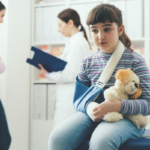
Paediatric Orthopaedics: Clubfoot, developmental dysplasia of the hip, scoliosis, limb length discrepancy, and growth plate injuries. The best paediatric orthopaedic doctor must approach these conditions with age-specific surgical planning, given that children’s skeletons are still developing.
Foot & Ankle: Plantar fasciitis, Achilles tendon pathology, bunions, flat foot deformity, and complex foot injury management including post-traumatic reconstruction.
Orthopedic Subspecialties: Which Specialist Do You Need?
Table 1: Orthopedic Subspecialties Comparison
Specialty | Conditions Treated | Procedure Types | Ideal Patients |
Joint Replacement | Knee, hip, and shoulder arthritis; avascular necrosis; joint degeneration | Total / partial knee replacement, total hip replacement, shoulder replacement | Adults 45+ with moderate-to-severe arthritis unresponsive to conservative care |
Sports Medicine & Arthroscopy | ACL/PCL/meniscal tears, rotator cuff injuries, cartilage damage, shoulder instability | ACL reconstruction, arthroscopic meniscectomy, rotator cuff repair, labral repair | Active individuals, athletes, adults with sports-related joint injuries |
Paediatric Orthopaedics | Clubfoot, DDH, scoliosis, limb deformities, growth plate injuries | Corrective osteotomies, casting, VEPTR, epiphysiodesis | Infants through adolescents with congenital or developmental bone/joint conditions |
Trauma & Fracture Care | Open/closed fractures, polytrauma, peri-articular injuries, non-union | ORIF, intramedullary nailing, external fixation, reconstructive surgery | Accident victims, patients with complex or failed fracture healing |
Foot & Ankle Surgery | Bunions, flat foot, Achilles pathology, complex ankle injuries | Arthrodesis, osteotomy, tendon reconstruction, ankle replacement | Patients with chronic foot pain, deformity, or post-traumatic foot conditions |
Spine Surgery | Disc herniation, stenosis, spondylolisthesis, deformity | Discectomy, laminectomy, fusion, deformity correction | Patients with nerve compression, instability, or structural spinal disease |
When Should You See an Orthopedic Doctor?
You should see an orthopedic doctor when you experience joint pain lasting more than six weeks, inability to perform daily activities, joint swelling or stiffness that does not resolve, a suspected fracture, sports injuries involving the knee or shoulder, or signs of bone deformity in a child.
Don’t wait for pain to become debilitating. Early intervention — whether through physiotherapy, injection-based management, or timely surgery — almost always leads to better outcomes. Patients living in tech corridors like Whitefield, Electronic City, and Marathahalli often delay care due to demanding work schedules. This delay frequently converts a manageable condition into a surgical case.
Specific red-flag symptoms requiring prompt evaluation:
- Sudden, severe joint swelling after an injury
- Inability to bear weight after a fall (possible fracture)
- Locking or giving way of the knee (possible meniscal or ligament injury)
- A child limping without obvious cause (could indicate DDH or Perthes disease)
- Numbness or weakness radiating down the arm or leg
How to Choose the Best Orthopedic Doctor in Bangalore
To choose the best orthopedic doctor , verify the surgeon’s subspecialty training, check their experience with your specific condition, confirm access to modern technology (such as robotic surgery systems), review patient outcomes, and ensure the hospital is equipped for post-operative rehabilitation.
Here is a step-by-step framework:
Step 1: Match Your Condition to the Right Subspecialty
A general orthopedic surgeon may handle straightforward fractures or mild knee pain competently. But if you need ACL reconstruction surgery, you want a sports medicine specialist with high arthroscopic volume — not a generalist who does one or two such procedures per month. Similarly, the paediatric orthopaedic doctor for your child’s clubfoot is not the same person you’d consult for your own hip arthritis.
Step 2: Evaluate Surgical Volume and Experience
In orthopedic surgery, volume correlates strongly with outcomes. Surgeons who perform a high number of joint replacement surgeries develop the fine motor precision, complication-recognition instincts, and protocol refinement that lower-volume surgeons simply cannot replicate. Ask directly: “How many of these procedures do you perform per year?” A credible surgeon will answer without hesitation.
Step 3: Assess Technology Access
Modern orthopedic surgery increasingly depends on technology. Robotic knee replacement surgery represents the current gold standard for implant positioning accuracy in total knee arthroplasty. Image guidance, arthroscopic platforms, and advanced implant systems are not luxuries — they are determinants of how precise your surgery will be and how quickly you recover.
Step 4: Prioritise Communication and Second Opinions
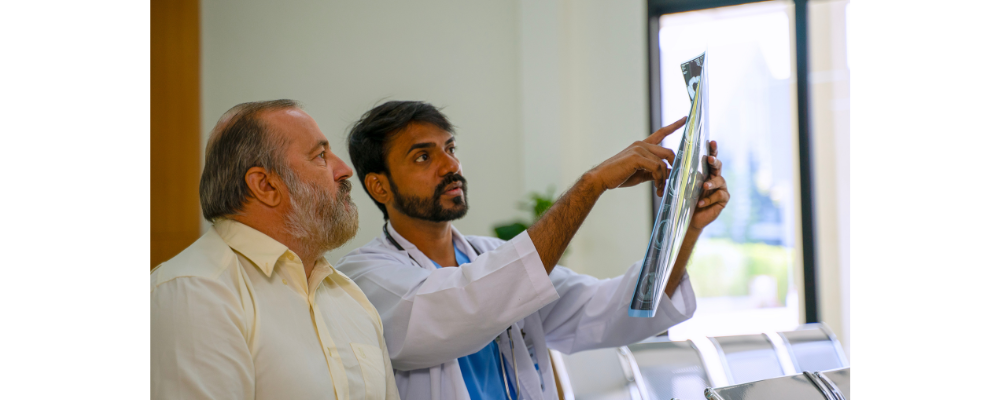
The best orthopedic doctor in Bangalore will encourage questions, explain your diagnosis in plain language, present both surgical and non-surgical options, and not pressure you into an immediate decision. If a surgeon dismisses your concerns or rushes your consultation, consider that a red flag regardless of their credentials.
Step 5: Consider Location and Rehabilitation Access
Post-operative rehabilitation is as important as the surgery itself. Patients in Sarjapur Road, Bellandur, Koramangala, and HSR Layout benefit from choosing a practice with close access to physiotherapy and follow-up care. Distance to your surgeon’s clinic matters more than most patients realise during the weeks of recovery.
Robotic vs Traditional Knee Replacement Surgery in Bangalore
One of the most common questions patients ask today is whether robotic surgery is worth it. Here is an objective comparison.
Table 2: Robotic vs Traditional Knee Replacement
Feature | Robotic-Assisted Surgery | Traditional Surgery |
Implant Positioning Precision | Sub-millimetre accuracy using real-time 3D data | Relies on surgeon’s visual judgement and conventional instruments |
Pre-surgical Planning | CT-based 3D model created before incision | Intra-operative planning only |
Bone Resection Accuracy | Robotic arm limits cuts to pre-planned zones | Manual cutting with saw guides |
Post-op Pain | Generally lower due to reduced tissue trauma | Can be higher due to broader surgical exposure |
Hospital Stay | Often 2–3 days | Typically 3–5 days |
Recovery Time | 4–6 weeks to functional mobility | 6–8 weeks typically |
Implant Longevity | Higher expected longevity due to alignment accuracy | Good, but alignment variation can affect long-term wear |
Success Rate | 95–98% patient satisfaction in high-volume centres | 90–95% in experienced hands |
Ideal Candidate | Most patients needing total or partial knee replacement | Patients with limited robotic access or specific anatomical factors |
Is robotic knee replacement better than traditional surgery? For most patients requiring total knee replacement surgery, robotic-assisted systems offer measurable advantages in implant alignment, reduced blood loss, and faster return to function. However, the surgeon’s experience with the robotic platform matters as much as the technology itself. An experienced surgeon using a robotic system consistently outperforms both a novice with a robot and an experienced surgeon without one working on a complex case.
Dr. Vijaykumar D performs robotic knee replacement surgery using validated platforms, combining the precision of robotic guidance with years of high-volume surgical experience.
Joint Replacement Surgery in Bangalore: Procedures Compared
Table 3: Joint Replacement Procedures
Procedure | Conditions Treated | Surgical Approach | Hospital Stay | Recovery Time | Expected Outcome |
Total Knee Replacement | Severe osteoarthritis, rheumatoid arthritis, post-traumatic arthritis | Medial parapatellar or midvastus approach; robotic-assisted available | 3–5 days | 6–12 weeks to full activity | 90–98% significant pain relief; 15–20 year implant life |
Total Hip Replacement | Hip osteoarthritis, AVN, femoral neck fractures, dysplasia | Posterior, lateral, or anterior approach; minimally invasive options | 3–4 days | 6–10 weeks | Excellent pain elimination; 20+ year implant survival |
Shoulder Replacement | Glenohumeral arthritis, rotator cuff arthropathy, complex proximal humerus fractures | Total anatomic or reverse shoulder arthroplasty | 1–2 days | 3–6 months to full function | 85–95% improvement in pain and range of motion |
Partial Knee Replacement | Isolated medial or lateral compartment arthritis | Unicompartmental approach; less tissue disruption | 2–3 days | 4–6 weeks | Faster recovery; better proprioception; 10–15 year durability |
Hip Resurfacing | Active younger patients with hip arthritis, good bone stock | Bone-conserving femoral head resurfacing | 3–4 days | 8–12 weeks | Preserves femoral bone; lower dislocation risk; revision options maintained |
When is joint replacement surgery recommended? Joint replacement is recommended when pain is severe enough to affect sleep and daily function, conservative treatments (physiotherapy, injections, anti-inflammatories) have failed over 3–6 months, X-rays confirm significant cartilage loss, and the patient’s overall health permits surgery. Joint replacement surgery is now routinely performed in patients as young as 45–50 when the indication is clear and biological age supports it.
Sports Injuries: Finding the Best Sports Injury Specialist in Bangalore
Athletes — professional and recreational alike — require a subspecialty approach that general orthopaedics cannot always provide. The best sports injury specialist understands not only anatomy but also biomechanics, return-to-sport timelines, and the psychological demands of athletic recovery.
Common sports orthopedic conditions requiring specialist care:
ACL Injuries: The anterior cruciate ligament is among the most commonly torn knee ligaments in Bangalore’s growing athletic population. ACL reconstruction surgery using autograft (typically patellar tendon or hamstring) is now performed arthroscopically with same-day or next-day discharge in many cases. Return to sport typically occurs between 9–12 months with structured rehabilitation.
Meniscal Tears: Often associated with ACL injuries or occurring independently, meniscal tears require careful assessment — not all tears need surgery. A skilled ACL reconstruction surgeon will evaluate whether repair, partial resection, or observation is the right path.
Shoulder Instability and Rotator Cuff Tears: Overhead athletes — swimmers, cricketers, badminton players — are particularly vulnerable. Shoulder replacement surgery is reserved for the most severe cases; most sports shoulder injuries are managed arthroscopically.
Foot and Ankle Sports Injuries: Ankle sprains, Achilles tendinopathy, and stress fractures of the metatarsals require careful foot injury management in Bangalore to prevent recurrence and chronic instability.
Patients from sports-active communities around Indiranagar, Koramangala, and the IT corridors of Whitefield and Electronic City frequently seek Dr. Vijaykumar D’s expertise for these conditions, given his arthroscopic skill set and familiarity with athlete-specific recovery protocols.
Paediatric Orthopaedics: What Parents Need to Know
Children are not small adults — their bones, joints, and growth plates respond differently to injury, disease, and surgery. The paediatric orthopaedic surgeon must approach diagnosis and treatment with an understanding of skeletal development, not simply adapt adult techniques.
Conditions that require paediatric orthopaedic expertise include:
- Clubfoot (Congenital Talipes Equinovarus): Managed with the Ponseti casting method in infancy; surgical release for resistant cases
- Developmental Dysplasia of the Hip (DDH): Early diagnosis and treatment critical to prevent lifelong disability
- Idiopathic Scoliosis: Progressive curves exceeding 45–50 degrees may require spinal fusion in adolescents
- Limb Length Discrepancy: Managed with guided growth, shoe lifts, or surgical lengthening depending on severity
- Growth Plate Fractures (Salter-Harris injuries): Require specialist assessment to protect longitudinal bone growth
Families across Bangalore — from Varthur and Sarjapur Road to Bellandur and HSR Layout — should note that early referral to a paediatric orthopaedic specialist almost universally leads to better outcomes than delayed or non-specialist management.
Trauma Care: What to Expect from the Best Trauma Care in Bangalore
Orthopedic trauma — fractures and dislocations resulting from road accidents, falls, and workplace injuries — remains one of Bangalore’s most significant healthcare burdens. The best trauma care combines rapid surgical stabilisation, anatomical fracture reduction, and structured post-operative rehabilitation.
Key principles of modern orthopedic trauma care:
- Damage Control Orthopaedics: Temporary stabilisation in polytrauma patients before definitive repair
- Biological Fixation: Minimally invasive techniques that preserve blood supply to fracture fragments
- Peri-articular Fracture Management: Fractures near joints (distal femur, proximal tibia, distal radius) require particular expertise to restore function
- Non-Union Treatment: Failed fracture healing requires specialist assessment, often involving bone grafting and revision fixation
Whether the injury occurs in Marathahalli, Indiranagar, or anywhere across Bangalore’s expanding periphery, having access to an experienced orthopedic trauma surgeon is critical to functional recovery.
Who Is the Best Orthopedic Doctor in Bangalore?
The best orthopedic doctor in Bangalore for your specific condition is one who combines relevant subspecialty training, high surgical volume in your required procedure, access to advanced technology, and a documented commitment to patient outcomes. Dr. Vijaykumar D is widely regarded as one of Bangalore’s leading orthopedic surgeons, with expertise spanning joint replacement (including robotic surgery), sports medicine, trauma, paediatric orthopaedics, and foot and ankle care.
Dr. Vijaykumar D’s practice reflects the key pillars of genuine orthopedic excellence:
Clinical Experience: Years of high-volume practice across multiple orthopedic subspecialties, including joint replacement surgery, ACL reconstruction surgery, and complex trauma reconstruction.
Evidence-Based Treatment: Every management decision — from the choice of implant to the rehabilitation timeline — is guided by peer-reviewed evidence and updated surgical guidelines, not habit or convenience.
Modern Technology: Robotic-assisted surgery for knee replacement, arthroscopic platforms for sports injuries, and advanced imaging integration for surgical planning.
Patient-Centered Care: A consultation approach that prioritises explanation, shared decision-making, and realistic goal-setting — not just operating room metrics.
Subspecialty Breadth: The ability to manage the full orthopedic spectrum means patients across Bangalore — from young athletes in Koramangala to elderly residents in HSR Layout — find comprehensive, coordinated care under one roof.
Frequently Asked Questions:
1: Who is the best orthopedic doctor in Bangalore for knee replacement?
Dr. Vijaykumar D is considered among the best orthopedic doctors in Bangalore for knee replacement, offering both robotic-assisted and conventional total knee replacement with high patient satisfaction rates and evidence-based protocols.
2: How do I choose the best orthopedic doctor in Bangalore?
Identify your specific condition first, then look for a surgeon with subspecialty training in that area, high surgical volume, access to modern technology, and a communication style that makes you feel confident and informed. The best orthopedic doctor in Bangalore for a complex ACL injury is different from the best choice for an elderly patient needing hip replacement.
3: Is robotic knee replacement surgery in Bangalore worth it?
For most patients needing total knee replacement, robotic surgery offers measurable improvements in implant alignment, reduced blood loss, and faster recovery. The key is finding a surgeon experienced with the robotic platform, as surgeon skill and technology together determine outcomes.
4: When should I see an orthopedic doctor?
You should see an orthopedic doctor if joint pain lasts more than six weeks, limits your daily activities, involves joint swelling or giving way, follows a significant injury, or if your child develops a limp or visible deformity.
5: What is the recovery time after total knee replacement surgery in Bangalore?
Most patients return to light daily activities within 4–6 weeks and achieve full functional recovery in 3–6 months. With robotic-assisted surgery, early recovery milestones are often reached faster due to greater surgical precision.
6: What is the difference between total and partial knee replacement?
Total knee replacement resurfaces all three compartments of the knee joint. Partial (unicompartmental) knee replacement addresses only the damaged compartment, preserving more natural bone and tissue. Your surgeon will determine which is appropriate based on X-rays and clinical assessment.
7: What does the best sports injury specialist in Bangalore offer that a general orthopedic doctor doesn’t?
A sports medicine specialist understands athletic biomechanics, sport-specific demands, return-to-sport protocols, and the nuances of managing injuries in active individuals. They also have higher arthroscopic surgical volumes, which directly affects outcomes in procedures like ACL reconstruction and rotator cuff repair.
8: What conditions require the best paediatric orthopaedic doctor in Bangalore?
Clubfoot, developmental dysplasia of the hip, scoliosis, limb length discrepancies, Perthes disease, and growth plate fractures all require the specialised assessment of a paediatric orthopaedic surgeon. These conditions must be managed with the child’s ongoing skeletal development in mind.
9: How do I know when joint replacement surgery in Bangalore is necessary?
Joint replacement is typically recommended when pain is severe and constant, conservative treatments have not helped after 3–6 months, imaging confirms significant joint destruction, and your health is suitable for surgery. Most patients find that the decision, when made at the right time, significantly improves their quality of life.
10: Where is Dr. Vijaykumar D’s clinic located, and does he serve patients from across Bangalore?
Dr. Vijaykumar D serves patients from across Bangalore’s key residential and commercial hubs including Whitefield, Sarjapur Road, Marathahalli, Bellandur, Varthur, HSR Layout, Electronic City, Indiranagar, and Koramangala. Contact the clinic directly for current location, appointment, and consultation details.
Conclusion: Finding the Best Orthopedic Doctor in Bangalore for Your Needs
Your orthopedic health is too important to leave to chance. The best orthopedic doctor in Bangalore for you is not necessarily the one with the most advertisements or the flashiest website — it is the one whose subspecialty expertise, surgical volume, technology access, and communication style align with your specific condition and expectations.
Whether you are a young cricketer from Indiranagar with a torn ACL, a software professional in Whitefield with chronic knee arthritis considering robotic knee replacement surgery in Bangalore, a parent in Sarjapur Road concerned about your child’s limping, or a senior citizen in HSR Layout whose hip pain has stolen your independence — there is a right specialist for your situation.
Dr. Vijaykumar D has built his practice around this principle: every patient deserves a surgeon who understands not just the anatomy on the X-ray but the life behind it. His expertise across joint replacement surgery in Bangalore, sports medicine, trauma, paediatric orthopaedics, and complex foot and ankle conditions means that most patients find comprehensive, expert care without referral chains or fragmented management.
Do not let pain define your daily life. The right care, from the right specialist, at the right time, changes everything.
Book Your Consultation Today
Ready to speak with the best orthopedic doctor in Bangalore?
Whether you need a first consultation, a second opinion, or urgent assessment of a new injury, Dr. Vijaykumar D’s clinic welcomes patients from across Bangalore — Whitefield, Marathahalli, Varthur, Sarjapur Road, Bellandur, HSR Layout, Electronic City, Indiranagar, Koramangala, and beyond.
What to expect at your first appointment:
- Thorough clinical evaluation and review of existing scans/reports
- Clear explanation of your diagnosis in plain language
- Honest discussion of all treatment options — surgical and non-surgical
- A personalised treatment roadmap tailored to your goals and lifestyle
📞 Call us to schedule your appointment 📧 Email us for non-urgent enquiries or second opinion requests 📍 Conveniently located for patients across East and South Bangalore
Early consultation almost always leads to better outcomes. Don’t wait until pain forces the decision.